Early Life and Education
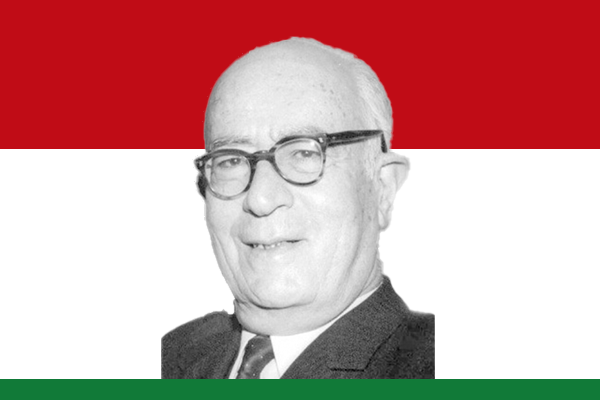
Ahmad Matin-Daftari, also known as Mo’in-ol-Molk, emerged from a respected Iranian family in Tehran in 1897. He grew up in an environment that valued scholarship, diplomacy, and public service, which shaped his ambition to participate in Iran’s governance. He pursued law and political science, eventually continuing his studies in Europe, where he gained exposure to modern administrative systems. His international education strengthened his confidence and equipped him with the skills necessary to navigate Iran’s evolving political landscape.
Entry into Public Service
After returning to Iran, Matin-Daftari began working in government institutions that required legal expertise and administrative discipline. He served in various judicial and diplomatic roles, and he steadily built a reputation as a capable and principled statesman. His performance attracted the attention of Reza Shah Pahlavi, who later relied on him to execute key government responsibilities. Matin-Daftari embraced these opportunities, using his legal training to modernize administrative procedures and strengthen governmental institutions.
Rise to Premiership
Reza Shah appointed Ahmad Matin-Daftari as Prime Minister of Iran in October 1939. Matin-Daftari accepted the role with a reformist approach, intent on modernizing Iran’s governance and enhancing administrative efficiency. He took office during a tense period marked by the early stages of World War II, and he had to navigate growing international pressure. Despite these difficulties, he remained committed to strengthening the Iranian state.
Domestic Reforms and Governance
As Prime Minister, Matin-Daftari pushed for legal and administrative reforms that aligned Iran with global standards. He streamlined bureaucratic practices, improved communication between government ministries, and encouraged professional merit within the civil service. He worked to strengthen Iran’s legal frameworks, believing that a modern state required clarity, consistency, and fairness in governance.
He also supported the expansion of education and the modernization of Iran’s infrastructure. He viewed these areas as essential for national progress, and he actively promoted initiatives that could raise the country’s development trajectory. Although his tenure was short, he attempted to lay the foundations for long-term growth rooted in effective governance and legal discipline.
Diplomacy and International Challenges
World War II created significant external pressure on Iran, particularly from Britain and the Soviet Union, who suspected German influence within the country. Matin-Daftari tried to maintain neutrality while protecting Iran’s national interests. He engaged in diplomatic negotiations, attempted to calm tensions, and sought to prevent foreign interference. However, the geopolitical climate made it extremely difficult for Iran to remain fully independent in decision-making.
End of Premiership
Increasing global tensions and internal pressures eventually led to Matin-Daftari’s removal from office in June 1940. Although his premiership lasted only a few months, he continued to serve in other governmental and political roles after leaving office. He remained active in Iran’s public sphere, applying his legal knowledge and political experience to national matters whenever he had the opportunity.
Later Years and Legacy
In his later years, Ahmad Matin-Daftari continued to contribute to Iran’s legal and political development, even as the country experienced dramatic changes during the 1940s and 1950s. He maintained his commitment to reform, modernization, and principled leadership. His life reflected a dedication to state-building at a time when Iran faced both internal transformation and external pressure.
Ahmad Matin-Daftari’s legacy rests on his efforts to modernize Iran’s legal and administrative framework, his disciplined approach to governance, and his resilience during a turbulent period. Although his time as Prime Minister was brief, he left a meaningful imprint on Iran’s political history by championing professionalism, legal reform, and responsible statecraft.