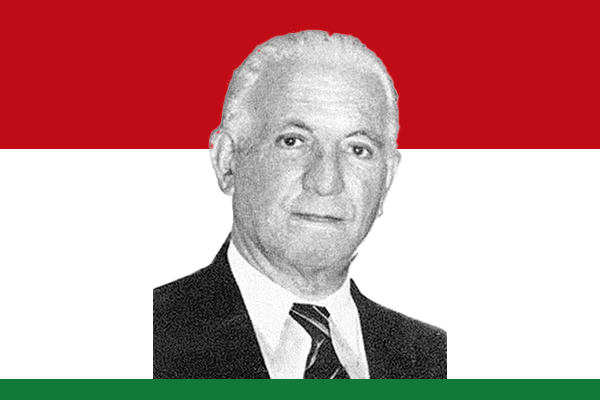
Early Life and Political Rise
Morteza-Qoli Bayat, born into a respected family in Arak, grew up in an environment that valued public service and national responsibility. He carried these values into his political career and entered national politics with a strong sense of duty. As Iran moved through the turbulent early 20th century, Bayat used his political understanding and diplomatic skills to gain influence in government affairs. He built alliances, joined parliamentary efforts, and strengthened his position through steady leadership.
Entering High-Level Politics
Bayat’s growing reputation encouraged leaders to entrust him with major responsibilities. He served multiple terms in the Iranian Parliament, where he advocated modernization, administrative order, and stronger governance. He took an active role in shaping national policies and spoke boldly on legislation that aimed to stabilize Iran during a period marked by internal rivalries and foreign pressure. His political maturity and steady temperament helped him rise further in government ranks.
Becoming Prime Minister
In November 1944, Iran’s political elite selected Bayat as Prime Minister during a difficult point in the nation’s history. World War II was nearing its end, but Iran still endured foreign occupation, economic strain, and political uncertainty. Bayat accepted the position with a direct commitment to restoring stability. He formed his cabinet quickly, coordinated with the monarchy, and engaged with Parliament to confront immediate national concerns.
Managing Wartime Pressures
Bayat led Iran through a sensitive phase in global and national politics. Foreign troops from the Allied powers remained stationed in Iran, and the country struggled with food shortages, transportation problems, and inflation. Bayat responded by strengthening administrative controls, pushing for efficient distribution of supplies, and negotiating with foreign representatives to protect Iran’s interests. He also emphasized national unity, urging political groups to cooperate despite their differences.
Domestic Reforms and Governance
As Prime Minister, Bayat attempted to improve governmental function despite limited resources. He encouraged ministries to streamline their operations and required officials to maintain accountability. He also promoted public welfare policies, supported educational efforts, and sought to reduce corruption. His leadership style focused on practical solutions rather than grand ideological declarations. Bayat used calm negotiation and disciplined management to guide his government through daily challenges.
Foreign Relations and Diplomacy
Iran’s position during World War II required delicate diplomacy. Bayat worked actively with British, Soviet, and American officials to ensure Iran’s sovereignty remained intact. He defended national rights while avoiding unnecessary confrontation. His diplomatic approach helped Iran maintain a strategic balance at a time when global powers influenced the region’s fate. He also supported Iran’s participation in emerging international institutions, laying the groundwork for the country’s postwar foreign policy direction.
End of Tenure
Bayat’s term remained short, lasting until March 1945. Political disagreements, heavy wartime pressure, and shifting alliances eventually weakened his administration. He stepped down respectfully, preserving his dignity and political reputation. Even after leaving office, he continued advising political figures and contributing to public life.
Legacy
Morteza-Qoli Bayat left a legacy shaped by steadiness, diplomacy, and administrative responsibility. He guided Iran through one of its most uncertain wartime periods and acted with discipline and patriotism. Historians remember him as a leader who managed daunting challenges and protected national stability during a moment of global upheaval. His term demonstrated his commitment to Iran’s sovereignty, administrative order, and long-term political development.