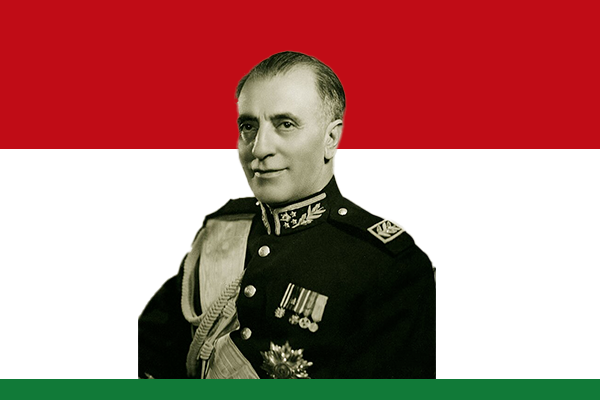
Prime Minister Fazlollah Zahedi: Military Strategist and Political Leader of Iran
Fazlollah Zahedi, born on May 17, 1897, in Hamedan, Iran, emerged as a pivotal figure in Iranian politics and military history. He pursued his education at the Cossack Military School in Tehran, which equipped him with the skills that later propelled his rise in the army and political circles. Zahedi quickly gained a reputation for discipline, tactical skill, and a decisive leadership style.
Zahedi began his military career by steadily climbing the ranks, earning respect among colleagues and superiors alike. By the 1940s, he held key military positions, commanding units that played crucial roles in maintaining national security. His military experience became an essential asset when he entered the political arena, allowing him to influence major decisions and navigate complex political challenges.
During the tenure of Prime Minister Mohammad Mossadegh, Zahedi emerged as a strong opponent of the government. Mossadegh’s nationalization of the Iranian oil industry sparked tensions with foreign powers and domestic elites. Zahedi aligned himself with conservative factions and Shah Mohammad Reza Pahlavi to counter Mossadegh’s policies. He organized opposition efforts, coordinated with military colleagues, and planned strategic moves to restore political stability.
The turning point in Zahedi’s career came during the 1953 coup, known as Operation Ajax. The CIA of the United States and MI6 of the United Kingdom orchestrated this operation to overthrow Mossadegh. Zahedi played a central role, leveraging his military influence to execute the plan. After successfully toppling Mossadegh, the Shah appointed Zahedi as Prime Minister, entrusting him with stabilizing Iran and safeguarding the monarchy.
As Prime Minister from 1953 to 1955, Zahedi actively worked to rebuild the government and restore order. He secured foreign investment in the oil sector while balancing the interests of domestic political groups. He strengthened the army and security forces to prevent future threats to his administration. Zahedi implemented policies to modernize infrastructure, encourage economic growth, and lay the foundation for the Shah’s future modernization programs.
Zahedi also confronted political opposition with strict measures. He suppressed communist and nationalist movements, arguing that such actions ensured national security and stability. While critics condemned his approach, historians recognize that Zahedi stabilized Iran during a period of political uncertainty and prevented the country from falling into chaos.
After leaving office in 1955, Zahedi continued to influence Iranian politics as a military advisor and a trusted figure in the Shah’s circle. He maintained a respected presence in the army and played an indirect role in shaping national policies. Zahedi passed away on September 2, 1963, leaving a complex legacy marked by both strategic brilliance and controversial decisions.
Fazlollah Zahedi’s life exemplifies the intersection of military skill and political strategy. Through his decisive actions and leadership, he significantly influenced Iran’s mid-20th century trajectory. As both a military officer and Prime Minister, Zahedi actively shaped Iran’s political landscape, leaving an enduring mark on the nation’s history.