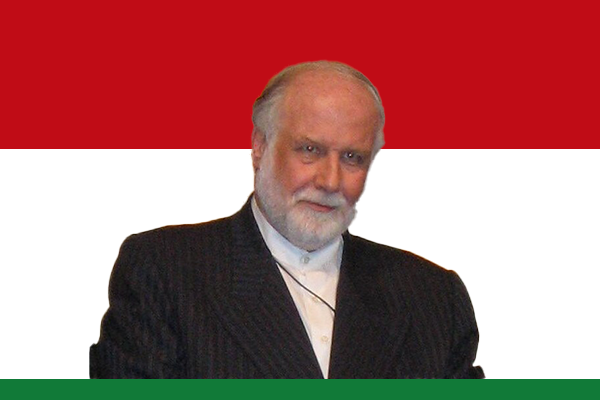
Early Life and Education
Hassan Habibi was born on January 29, 1937, in Tehran, Iran. His early life was marked by an intense dedication to education and intellectual growth. Habibi pursued law and political science, completing his higher education at the University of Tehran, where he earned degrees that laid the foundation for his future political and legal career. His academic background equipped him with the skills to navigate the complex political landscape of Iran during a transformative era in the country’s history.
Academic and Legal Career
Before entering politics, Habibi built a distinguished career in law and academia. He served as a professor and legal expert, influencing a generation of students and future policymakers. His expertise in constitutional law became particularly significant as Iran underwent major political changes in the late 20th century. Habibi’s legal acumen and commitment to justice earned him respect among peers and positioned him as a trusted advisor in governmental affairs.
Entry into Politics
Hassan Habibi’s political career began in earnest following the Iranian Revolution of 1979. He was deeply involved in shaping the post-revolutionary legal and political framework of Iran. Habibi contributed to drafting constitutional and legislative reforms, emphasizing governance, civil rights, and the rule of law. His ability to balance legal principles with practical politics made him an indispensable figure during this period of national restructuring.
Tenure as Vice President
In 1989, Hassan Habibi was appointed Vice President of Iran, serving under President Akbar Hashemi Rafsanjani. During his tenure, he played a pivotal role in coordinating government policies and overseeing administrative reforms. Habibi was instrumental in promoting economic modernization, supporting initiatives to enhance transparency, and strengthening Iran’s domestic institutions. His pragmatic approach enabled the government to implement policies aimed at stabilizing the economy and encouraging development during a time of reconstruction following the Iran-Iraq War.
Contributions to Iranian Governance
Habibi’s impact extended beyond his administrative duties. He advocated for constitutional reforms and emphasized the importance of legal frameworks in protecting citizens’ rights. His work helped establish a balance between executive authority and legislative oversight, ensuring that governance in Iran remained both effective and accountable. Habibi also promoted education and cultural development, believing that an informed society could contribute more effectively to national progress.
Legacy and Influence
Hassan Habibi left a lasting mark on Iranian politics. His combination of legal expertise, political insight, and administrative skill earned him recognition as one of Iran’s most influential vice presidents. Habibi’s commitment to public service, education, and institutional development helped shape the modern Iranian state, leaving a legacy that continues to influence political discourse.
Later Years and Passing
After his tenure as Vice President, Habibi remained active in political and academic circles. He continued to write, lecture, and advise on matters of law and governance, sharing his knowledge with future generations. Hassan Habibi passed away on January 31, 2013, leaving behind a record of dedicated service and a reputation for integrity and intellectual rigor.
Conclusion
Hassan Habibi’s life exemplifies dedication to public service and the pursuit of justice. As Vice President of Iran, he navigated complex political and legal challenges while promoting reforms that strengthened governance. His contributions to Iranian law, administration, and education remain influential, making him a significant figure in the country’s modern history.