PRIME MINISTERS OF BRAZIL
Prime Ministers of Brazil
Brazil is widely known for its presidential system, but it briefly had a parliamentary system during two key periods in its history: from 1961 to 1963 and from 1993 to 1995. During these times, the role of the Prime Minister, officially called the “President of the Council of Ministers,” became central to government operations. The Prime Minister acted as the head of the government, while the President retained largely ceremonial powers or oversaw national policy in collaboration with the legislature.
LIST OF PRIME MINISTERS OF BRAZIL


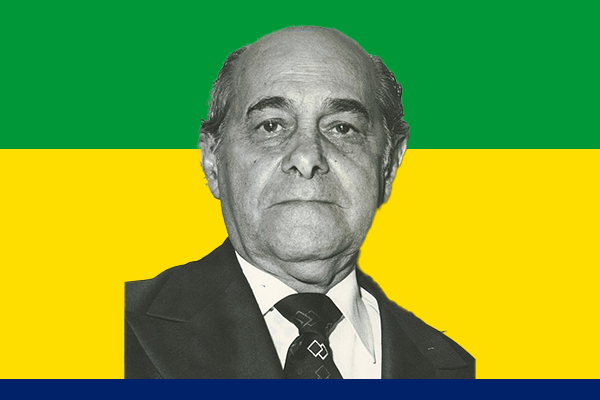
The 1961–1963 Parliamentary Experiment
Brazil first adopted a parliamentary system in 1961 following political tensions surrounding President Jânio Quadros’ sudden resignation. The Congress voted to limit the powers of the presidency, creating the office of the Prime Minister. Tancredo Neves was the first to hold this office, assuming leadership in a fragile political environment. He faced the challenge of balancing the demands of a divided legislature while supporting President João Goulart, whose powers had been curtailed.
Following Tancredo Neves, Brochado da Rocha and Francisco de Paula Brochado da Rocha briefly served as Prime Ministers, though political instability and growing public dissatisfaction hindered effective governance. The parliamentary experiment ultimately ended in 1963 after a national plebiscite reinstated the presidential system, returning Brazil to the form of government it primarily follows today.
The 1993–1995 Political Crisis
Brazil briefly revisited the concept of a Prime Minister during a constitutional crisis in the early 1990s. The impeachment of President Fernando Collor de Mello in 1992 and the subsequent transition period under President Itamar Franco generated discussions about parliamentary alternatives. While no formal Prime Minister was appointed in this phase, the concept influenced cabinet restructuring, highlighting the flexibility of Brazil’s political system and the potential role of a head of government distinct from the presidency.
Significance of the Prime Minister Role
Though short-lived, Brazil’s Prime Ministerial periods demonstrated attempts to separate the ceremonial and executive functions of government. The office symbolized an effort to strengthen legislative oversight and provide a more balanced governance framework during times of political crisis. Brazil’s experiment with parliamentary leadership remains a unique chapter in its political history, illustrating how the country has adapted its institutions to meet the demands of governance and public sentiment.
In modern Brazil, the Prime Minister role no longer exists. However, studying this office offers insight into how countries can experiment with parliamentary solutions within predominantly presidential systems. The lessons from Brazil’s Prime Ministers continue to inform political scientists, historians, and policymakers interested in constitutional design and executive-legislative relations.