PRESIDENTS OF BRAZIL
Presidents of Brazil: Leaders of a Nation
Brazil, the largest country in South America, has a rich political history shaped by a series of influential presidents. Since the proclamation of the republic in 1889, Brazil has transitioned from monarchy to democracy, navigating periods of dictatorship and civilian rule. The role of the president in Brazil is both as the head of state and head of government, responsible for leading the executive branch and shaping national policies.
LIST OF PRESIDENTS OF BRAZIL





Early Republic and Founding Leaders
The first president of Brazil, Deodoro da Fonseca (1889–1891), came to power after leading the military coup that ended the monarchy. His tenure set the foundation for Brazil’s republican system, although political instability led to his resignation. Following him, Floriano Peixoto (1891–1894) earned the nickname “Consolidator of the Republic” for stabilizing the fledgling republic during internal revolts. These early leaders faced challenges in establishing democratic norms in a country transitioning from imperial rule.
Mid-20th Century Leadership
Brazil experienced rapid political change throughout the 20th century. Getúlio Vargas stands out as a transformative figure, serving first as provisional president (1930–1934), then as constitutional president (1934–1937), and later as a dictator under the Estado Novo regime (1937–1945). Vargas implemented social and labor reforms, modernized the economy, and left a lasting legacy in Brazilian politics. After World War II, Brazil oscillated between democratic and military regimes, with leaders like Juscelino Kubitschek (1956–1961) promoting development through industrialization and the construction of Brasília, the new capital.
Military Regime and Democratic Transition
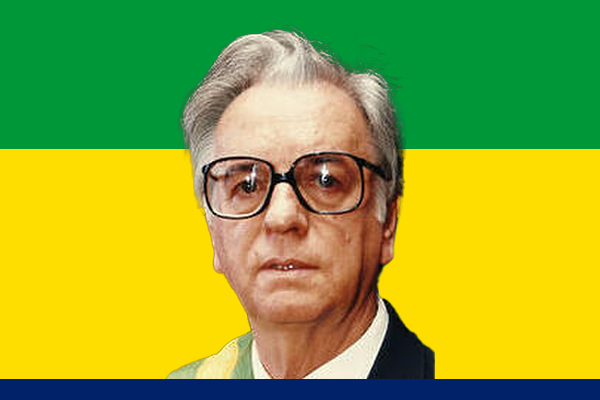
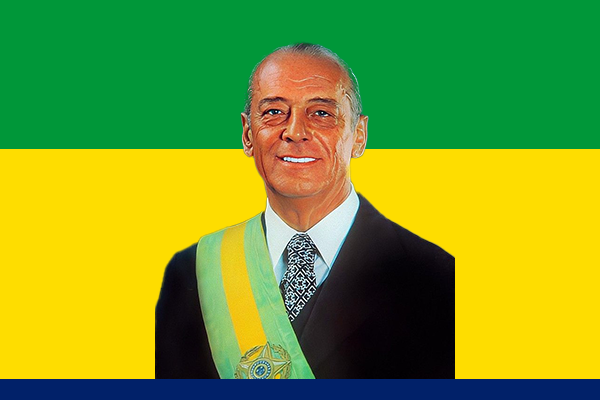
From 1964 to 1985, Brazil was governed by military presidents following a coup that ousted João Goulart. Leaders such as Humberto de Alencar Castelo Branco and Ernesto Geisel oversaw authoritarian rule, economic modernization, and repression of political opposition. The end of the military dictatorship marked the return to civilian rule with Tancredo Neves, although he passed away before taking office. His vice president, José Sarney, assumed the presidency, guiding Brazil through the initial phase of re-democratization.
Contemporary Presidents
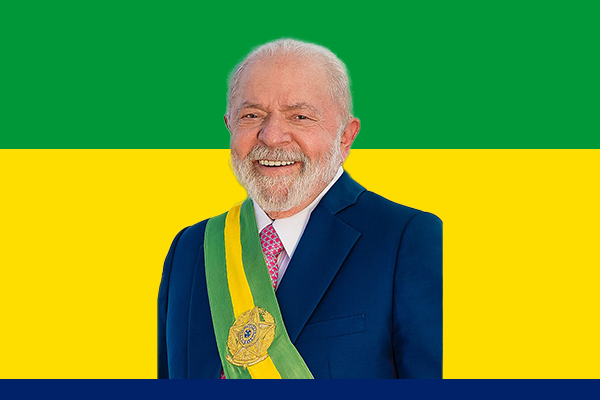
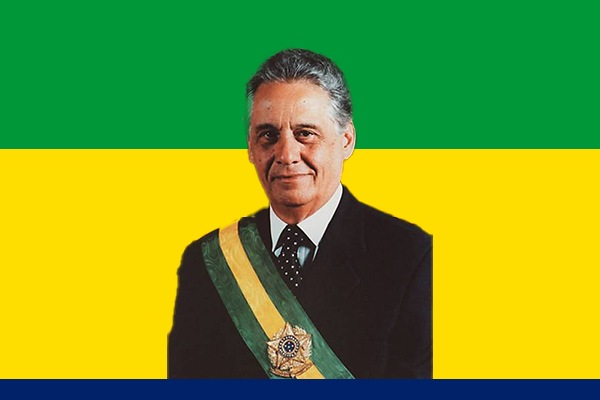
Since the late 1980s, Brazil has maintained a democratic system with regular elections. Leaders like Fernando Henrique Cardoso (1995–2003) implemented economic stabilization policies, while Luiz Inácio Lula da Silva (2003–2011) focused on social programs and poverty reduction. More recent presidents, including Dilma Rousseff, Michel Temer, and Jair Bolsonaro, reflect Brazil’s ongoing political diversity and challenges, addressing economic, social, and environmental issues.