Mr. Chun Doo-hwan
In Office: 1 September 1980 – 25 February 1988
Political Party: Democratic Justice
Home State: Hapcheon
Lifespan: 1931–2021
Country: South Korea
Image credits available here.
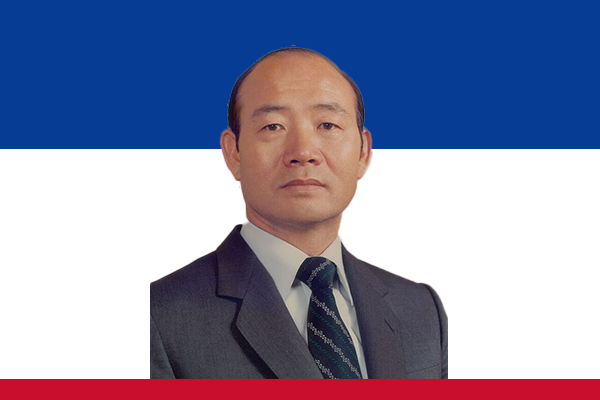
Early Life and Military Career
Chun Doo-hwan was born on January 18, 1931, in Hapcheon, Korea. He pursued a military career early and entered the Korea Military Academy, where he built close relationships with future political and military leaders. Chun quickly rose through the ranks because he demonstrated discipline, strategic thinking, and loyalty to his peers. As he served in various command positions, he gained influence in South Korea’s military structure.
Seizing Power Through the 1979 Coup
After President Park Chung-hee’s assassination in 1979, Chun saw an opportunity to shape the nation’s direction. He led a military faction that arrested the Army Chief of Staff and consolidated control of the military. Chun expanded his authority by taking over the Defense Security Command and later forcing the resignation of acting President Choi Kyu-hah. Through these actions, he positioned himself as South Korea’s central political figure.
Gwangju Uprising and Public Unrest
In May 1980, Chun imposed martial law across the country. This move triggered widespread protests, especially in Gwangju. When citizens demanded democracy, Chun deployed special forces to suppress the demonstrations. The crackdown resulted in severe casualties and created long-lasting national trauma. The Gwangju Uprising became the darkest chapter of his rule and shaped his legacy for decades to come.
Presidency and Political Control
Chun became President of South Korea in September 1980 after the National Conference for Unification elected him. He restructured the political system through the Fifth Republic Constitution, giving himself strong executive powers. Chun centralized authority, managed the media, and restricted political opposition. He believed strict control would stabilize society and promote economic development.
Economic Policies and Development
Chun promoted economic growth by expanding South Korea’s industrial and technological sectors. His administration invested in infrastructure, pushed export-oriented industries, and supported chaebols (large business conglomerates). Under his leadership, South Korea hosted the 1986 Asian Games and prepared for the 1988 Seoul Olympics. These achievements helped elevate South Korea’s status on the global stage and attracted foreign investment.
Social Policies and Security Measures
Chun emphasized national security and social order. He strengthened intelligence agencies and used them to monitor political activists, student movements, and opposition groups. Although these measures reduced unrest, they also limited civil liberties. Chun promoted cultural reforms and encouraged modernization in education and communication systems. However, many citizens viewed his policies as tools to maintain authoritarian control.
Transition of Power and Decline of Influence
By the late 1980s, public demand for democracy grew stronger. Protesters filled streets across the country, calling for direct presidential elections. As pressure increased, Chun agreed to political reforms and supported a peaceful transition to a more democratic government. He stepped down in 1988 and allowed Roh Tae-woo, his military ally, to run in the nation’s first competitive presidential election in decades.
Trial, Conviction, and Later Life
In the 1990s, South Korea’s civilian government held Chun accountable for his actions. Courts convicted him of mutiny, treason, and corruption, sentencing him to death. The government later reduced the sentence, and President Kim Young-sam pardoned him in 1997 to promote national unity. Chun spent his remaining years out of the public eye, released memoirs, and denied responsibility for the Gwangju crackdown. He passed away on November 23, 2021.
Legacy
Chun Doo-hwan remains one of South Korea’s most controversial leaders. Supporters credit him for stabilizing the economy and preparing Korea for global recognition. Critics emphasize his authoritarian rule, human rights abuses, and the tragedy of Gwangju. His presidency continues to spark debate, reminding Koreans of the nation’s difficult journey toward democracy.