Mr. Shin Song-mo
In Office: April 21, 1950 – November 23, 1950
Political Party: Independent
Home State: Uiryeong
Lifespan: 1891–1960
Country: South Korea
Image credits available here.
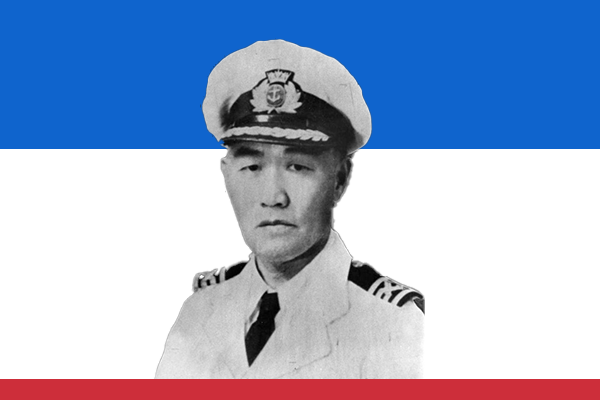
Early Life and Background
Shin Song-mo entered the world on December 11, 1891, in Uiju, a region known for its tradition of scholarship and national spirit. He grew up in a Korea struggling under Japanese colonial rule, so he developed strong nationalist ideals at a young age. He pursued his education with determination and later joined independence activities abroad. By dedicating his early years to Korea’s freedom cause, he built a foundation that prepared him for high-level national leadership.
Role in the Independence Movement
Shin traveled to China and the United States during the colonial era, where he worked with Korean independence activists. He raised awareness about Korea’s struggle, established connections with foreign supporters, and helped organize political networks for the provisional government. He used diplomacy and advocacy to push Korea’s independence into international discussions. His efforts showed his deep loyalty to the idea of a free Korea.
Rise in the Newly Formed Republic of Korea
After the liberation of Korea in 1945, Shin Song-mo returned to his homeland with a clear mission: to help build a functioning, stable, and globally recognized nation. He joined the U.S. military administration in advisory roles and contributed to the early political structures that shaped the Republic of Korea. President Syngman Rhee recognized his dedication and appointed him to a series of key government positions.
Leadership as Minister of National Defense
Before becoming prime minister, Shin took charge of the Ministry of National Defense during a highly unstable period. He reorganized the armed forces, strengthened military training, and pushed for modernization. When the Korean War erupted in 1950, he acted quickly to coordinate defense strategies. He worked closely with the United Nations Command and directed evacuation and engagement plans during the initial North Korean advance. His leadership helped stabilize the military when South Korea faced its greatest existential threat.
Appointment as Prime Minister
In April 1950, President Syngman Rhee appointed Shin Song-mo as the third Prime Minister of South Korea. Shin accepted the role at a time when the nation needed both strategic vision and strong crisis management. He chaired cabinet meetings, coordinated executive functions, and executed emergency decisions during wartime. He guided the government through political uncertainty and ensured that administrative systems kept functioning despite the conflict.
Administrative Achievements and Governance Style
Shin Song-mo governed with a disciplined, military-influenced approach. He demanded swift communication among ministries and pushed officials to act decisively. He expanded infrastructure planning, strengthened civil defense systems, and promoted national unity campaigns. He supported public order initiatives to maintain stability during the chaos of war. His firm leadership style reflected his belief that strong national direction was essential for survival.
Challenges and Political Pressure
Despite his accomplishments, Shin faced criticism regarding military preparedness, political rivalries, and accusations of mismanagement during the early months of the Korean War. His opponents blamed him for intelligence failures and military setbacks. Under growing pressure, he resigned in December 1950. Although the controversy affected his political image, many historians still recognize the difficult circumstances he confronted.
Later Years and Legacy
Shin Song-mo continued contributing to public life even after leaving the prime minister’s office. He wrote, advised political leaders, and remained active in national debates. He passed away on May 29, 1969. South Korea remembers him as a complex yet significant figure who helped guide the nation during its most fragile years. His contributions to military organization, early governance, and wartime leadership continue to influence discussions about South Korea’s formation.