Mr. Chang Myon
In Office: August 19, 1960 – May 17, 1961
November 23, 1950 – April 23, 1952
Political Party: Independent
Home State: Seoul
Lifespan: Liberal Party
Country: South Korea
Image credits available here.
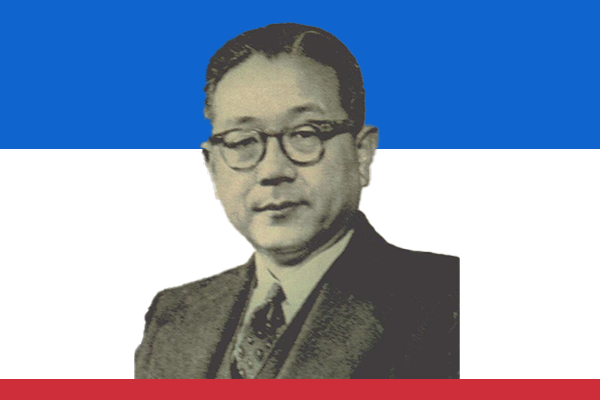
Early Life and Educational Influence
Chang Myon, born on August 28, 1899, in Jeongseon, Gangwon Province, grew up in a rapidly changing Korea. He pursued education with dedication and embraced modern ideas early in life. He studied in the United States, where he absorbed democratic values and a global worldview. This exposure shaped his future political ideology. When he returned to Korea, he began teaching and mentoring young students, believing that education could transform society. His early academic career strengthened his commitment to public service, and he actively participated in the movement for Korea’s independence.
Entry Into Politics and Diplomatic Service
Chang Myon entered politics after Korea’s liberation in 1945. He aligned himself with leaders who supported democracy and civil rights. The government recognized his diplomatic skills, and he represented Korea as the first ambassador to the United States. During this time, he worked tirelessly to secure international support for the newly formed South Korean state. He met global leaders, strengthened Korea-U.S. relations, and advocated economic and military assistance. His diplomatic achievements established him as one of Korea’s most capable political figures.
Vice Presidency and Rise to Leadership
The Korean people elected Chang Myon as the second Vice President of South Korea in 1956. He served with integrity and pushed for reforms that expanded political participation. He openly challenged corruption and resisted authoritarian tendencies within the government. His strong stance for fairness earned him respect from citizens who supported democratic development. When the April Revolution of 1960 ended years of authoritarian rule, Chang Myon rose to national leadership as Prime Minister under the Second Republic. He formed a government that encouraged transparency, accountability, and citizen involvement.
Reforms Under the Second Republic
As Prime Minister, Chang Myon pursued bold reforms to stabilize the country after years of unrest. He encouraged multi-party politics, expanded press freedom, and strengthened legislative authority. He believed Korea could progress only if its citizens enjoyed genuine political rights. His administration worked to reduce centralization of power and increase economic planning. He pushed educational reforms, promoted social welfare, and encouraged investment to boost national development. Although his government faced financial challenges and political divisions, he consistently advocated dialogue and non-violent solutions.
Challenges and the 1961 Coup
Despite his dedication, Chang Myon confronted heavy resistance from conservative factions and military leaders. Economic difficulties increased public frustration, and political disagreements slowed reforms. While he worked to stabilize the administration, military officers led by Park Chung-hee launched a coup on May 16, 1961. Chang Myon refused to use force against fellow Koreans and attempted to preserve constitutional order peacefully. The coup removed him from office, and the military government restricted his political activities thereafter. Even during these years, he continued speaking about democracy, national unity, and peaceful governance.
Later Life and Enduring Legacy
In his later years, Chang Myon focused on writing, teaching, and preserving democratic ideals. He encouraged future generations to value freedom, justice, and responsible leadership. He passed away on June 4, 1966, leaving behind a legacy deeply rooted in moral conviction and national service. Korea remembers him as a leader who placed democratic principles above personal power. His vision inspired later movements that fought for civil liberties and democratic reform.