Mr. Kim Jong-pil
In Office: June 4, 1971 – December 18, 1975
March 3, 1998 – January 12, 2000
Political Party: Democratic Republican
Home State: Buyeo
Lifespan: 1926–2018
Country: South Korea
Image credits available here.
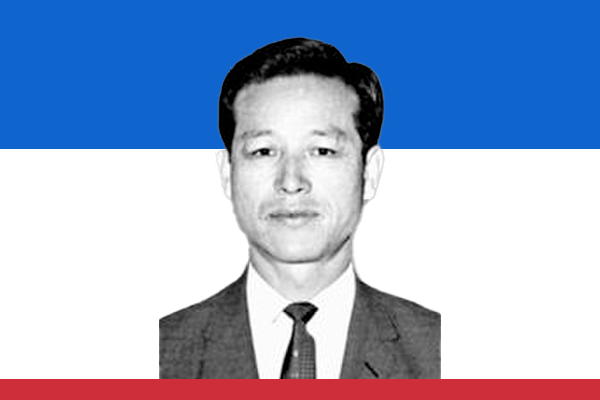
Early Life and Political Rise
Kim Jong-pil emerged as one of the most influential figures in modern Korean politics. Born in 1926, he grew up with strong ambitions and pursued education with determination. He joined the Korean Military Academy and built a foundation that later allowed him to shape the country’s political landscape. As he moved through military ranks, he developed close ties with future president Park Chung-hee. These ties opened opportunities for him to participate directly in shaping national strategies. Kim used his strategic skills and organizational talent to position himself as a key planner in South Korea’s political transformation during the 1960s.
Role in the 1961 Military Coup
Kim Jong-pil played a decisive role in the May 16, 1961 military coup. Instead of waiting for political change, he helped organize the movement and ensured the operation succeeded through careful planning. He led young officers, managed communications, and built support within the military. His involvement elevated him from a rising officer to a central power figure. After the coup, he shifted from military leadership to political authority, influencing policy decisions and national direction.
Founding of the KCIA
Kim Jong-pil founded the Korean Central Intelligence Agency (KCIA) in 1961. He created the agency to stabilize the new government and strengthen national security. Under his direction, the KCIA gathered intelligence, monitored threats, and coordinated major administrative functions. Kim used the KCIA to reinforce the government’s authority, expand diplomatic channels, and maintain national discipline. His hands-on leadership helped transform the agency into one of the most powerful institutions in South Korea. Through it, he shaped major political decisions and played a major role in guiding domestic and international affairs.
Leadership in the Democratic Republican Party
Kim Jong-pil formed the Democratic Republican Party (DRP) to give the new government a political base. He organized its structure, recruited influential members, and created policies that supported rapid economic development. Kim traveled across the country, built connections with local leaders, and promoted modernization. His efforts made the DRP a dominant force in South Korean politics throughout the 1960s and 1970s. Although critics questioned the party’s strong-handed governance, Kim defended its policies and argued that stability and growth required firm action during turbulent times.
Prime Ministerial Tenures
Kim Jong-pil served twice as Prime Minister of South Korea, first from 1971 to 1975 and again from 1998 to 2000. During his first tenure, he supported industrialization, administrative reforms, and expanded economic programs. He worked closely with President Park Chung-hee and acted as a chief policy coordinator. Kim took direct responsibility for government operations and pushed ministries to meet development targets.
In his second tenure under President Kim Dae-jung, he demonstrated political flexibility. He joined a coalition government and helped stabilize the administration during the Asian Financial Crisis recovery period. Kim used his experience to negotiate between political factions and guide legislative cooperation. His leadership played a key role in ensuring continuity and moderating political tensions during a critical economic recovery phase.
Later Political Influence
Even after stepping down from the premiership, Kim Jong-pil continued influencing national politics. He led the United Liberal Democrats (ULD), mediated between parties, and worked to reduce polarization. His long career made him a respected statesman, and political leaders frequently sought his advice. Kim continued advocating for national unity, development, and pragmatic governance.
Legacy
Kim Jong-pil left a deep imprint on South Korean politics. He helped design major institutions, guided economic modernization, and influenced political culture for more than five decades. Supporters credit him for strengthening national security and promoting development. Critics debate the authoritarian elements of his era, but his impact remains undeniable. Kim Jong-pil stands as one of the central architects of South Korea’s political evolution.