Mr. Nam Duck-woo
In Office: 22 September 1980 – 3 January 1982
Political Party: Independent
Home State: Gwangju
Lifespan: 1924–2013
Country: South Korea
Image credits available here.
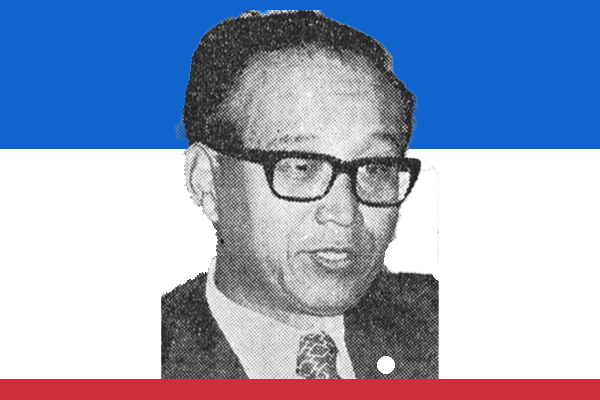
Early Life and Academic Foundations
Nam Duck-woo entered the world in 1924 in what North Korea is now, and he grew up in a time of political upheaval and limited economic opportunity. He chose education as his path forward and focused intensely on economics. After completing his early studies, he moved to the United States to pursue advanced training. He earned a doctorate in economics from the University of Oklahoma, and this achievement shaped his future career. He returned to South Korea with a mission: to help rebuild the economy of a war-ravaged nation.
As an academic, Nam taught economics and influenced a generation of students. He promoted disciplined thinking, statistical analysis, and long-term development planning. His strong academic foundation later guided his decisions as a government leader.
Entry into Government and Rise as Economic Strategist
South Korea recognized Nam Duck-woo’s talent early, and the government invited him to contribute to national economic planning. He accepted the responsibility and began designing strategies that aligned with South Korea’s industrial ambitions. He participated in formulating development plans that targeted manufacturing, exports, and infrastructure.
Nam quickly earned a reputation as a rational planner who relied on data instead of political pressure. His clear thinking helped him rise through government ranks. He eventually took on major roles such as Minister of Finance and Deputy Prime Minister. In these positions, he shaped economic policies that encouraged investment, technological innovation, and rapid industrialization.
Leadership as Prime Minister
The South Korean government appointed Nam Duck-woo as Prime Minister in 1980, during a period marked by political tension and economic uncertainty. Nam accepted the role with a commitment to stabilize the nation and maintain the momentum of economic growth.
As Prime Minister, he worked closely with economic ministries to strengthen national finances. He encouraged export-based industries, supported infrastructure development, and pushed for administrative reforms. He also promoted cooperation between government and business leaders to accelerate industrial projects.
Nam played a major role in guiding South Korea through global economic challenges. He responded to inflation, trade pressures, and financial instability with disciplined policy measures. His leadership helped South Korea maintain growth even in difficult times.
Economic Philosophy and Policy Vision
Nam Duck-woo believed in long-term planning, state-guided development, and strategic investment. He supported the government’s active role in shaping the economy, especially during early stages of industrialization. His philosophy emphasized:
- promoting exports
- improving technological capacity
- building heavy and chemical industries
- strengthening national financial stability
- investing in human capital
He viewed economic modernization as the foundation for national strength. His policies aligned with South Korea’s trajectory toward becoming a global manufacturing powerhouse.
Later Contributions and International Engagement
After completing his service as Prime Minister, Nam Duck-woo remained active in economic research and public service. He advised international organizations, participated in academic conferences, and guided younger economists. Many global institutions sought his insights because he had firsthand experience in transforming a developing country into an emerging industrial nation.
He wrote papers, delivered lectures, and supported economic cooperation across Asia. His strong voice in international forums strengthened South Korea’s global reputation.
Legacy and Influence
Prime Minister Nam Duck-woo left a lasting legacy on South Korea’s economic history. Leaders, scholars, and citizens widely acknowledge his role in shaping the nation’s industrial foundations. His commitment to rational planning, disciplined leadership, and economic modernization continues to inspire policymakers.