Mr. Chung Un-chan
In Office: 29 September 2009 – 11 August 2010
Political Party: Independent
Home State: Gongju
Lifespan: born 1947
Country: South Korea
Image credits available here.
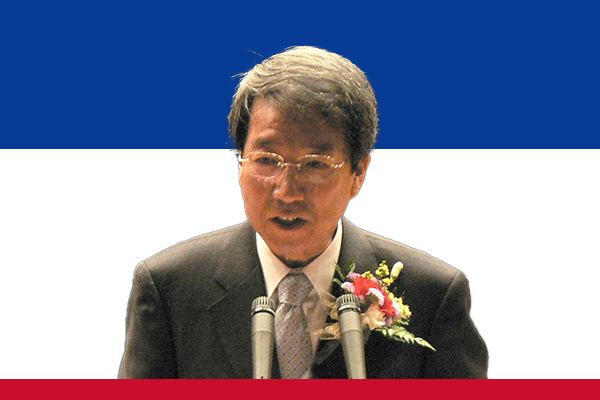
Chung Un-chan, a distinguished economist and politician, served as the Prime Minister of South Korea from 2009 to 2010. Born on February 2, 1947, in Seongju County, North Gyeongsang Province, Chung demonstrated academic brilliance early in life. He earned his Bachelor’s degree in Economics from Seoul National University and later pursued advanced studies in the United States, receiving a Master’s and Ph.D. from the University of Pennsylvania. His strong academic foundation laid the groundwork for a career marked by dedication to public service and economic reform.
Chung began his professional journey as an economist and professor, teaching at prestigious institutions and conducting influential research on fiscal policy and macroeconomics. His expertise caught the attention of the government, leading to several advisory roles. Throughout his career, he actively participated in shaping economic policies, emphasizing transparency, fiscal responsibility, and sustainable growth. His economic insights influenced key decisions on national budget management and financial stability.
In 2009, President Lee Myung-bak appointed Chung as Prime Minister of South Korea. During his tenure, Chung focused on enhancing government efficiency and implementing policies to strengthen the nation’s economy. He advocated for restructuring public institutions to reduce bureaucracy and improve service delivery. By promoting open dialogue with citizens, he encouraged public participation in governance and policy-making.
Chung actively addressed social and economic challenges, particularly the need for comprehensive fiscal reform. He implemented measures to stabilize public finances while ensuring that essential social programs remained robust. Recognizing the importance of education in national development, Chung emphasized policies that improved educational standards and access for all citizens. He also worked to strengthen South Korea’s international relations by participating in global economic forums and fostering cooperation with neighboring countries.
Despite facing political opposition and a complex domestic environment, Chung remained committed to his vision of a modern, efficient, and transparent government. His leadership style combined analytical rigor with pragmatic decision-making. He often engaged with academic experts, policymakers, and civil society representatives to devise practical solutions to pressing issues. Under his guidance, the government undertook initiatives to enhance social welfare programs, support small and medium enterprises, and promote sustainable economic growth.
After resigning in 2010, Chung returned to academia, continuing to influence South Korea’s economic policies through research, publications, and lectures. He remains a respected figure in both the academic and political spheres, celebrated for his dedication to public service, ethical governance, and economic expertise.
Chung Un-chan’s career reflects his unwavering commitment to South Korea’s development. By combining deep knowledge of economics with principled leadership, he strengthened the nation’s governance, advocated for fiscal prudence, and inspired future generations of policymakers. His contributions continue to resonate, making him a significant figure in South Korea’s modern history.