Mr. Chavalit Yongchaiyudh
In Office: 25 November 1996 – 8 November 1997
26 November 1997 – 30 April 2000
Political Party: New Aspiration
Home State: Nonthaburi
Lifespan: born 1932
Country: Thailand
Image credits available here.
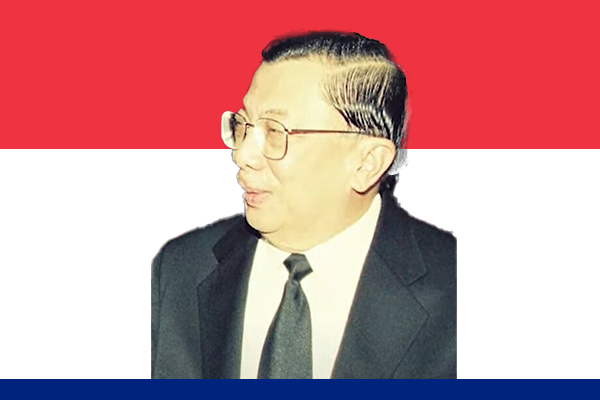
Early Life and Military Career
Chavalit Yongchaiyudh was born on 15 March 1932 in Nonthaburi, Thailand. He pursued a military education and quickly built a reputation as a capable and strategic officer. He trained in Thailand and abroad, which strengthened his professional outlook and leadership skills.
He rose steadily through the ranks of the Royal Thai Army and eventually became Commander-in-Chief. During this period, Chavalit played a major role in shaping Thailand’s security policies, especially during times of regional tension. He emphasized national sovereignty and worked to modernize military planning. His military background strongly influenced his later political decisions.
Entry into Politics
After retiring from active military service, Chavalit entered politics with confidence and ambition. He founded the New Aspiration Party, which aimed to promote social justice, national development, and strong governance. Through this platform, he appealed to rural voters and working-class citizens.
Chavalit served in several key ministerial positions before becoming prime minister. He handled portfolios such as defense and interior affairs, where he applied his administrative experience and leadership style. His political rise demonstrated his ability to transition from military command to civilian leadership.
Tenure as Prime Minister
Chavalit Yongchaiyudh assumed office as Prime Minister of Thailand in 1996. He led the country during a critical period marked by economic vulnerability and political uncertainty. His government attempted to promote infrastructure development and expand public welfare programs.
However, his administration faced serious challenges during the Asian Financial Crisis of 1997. The economic downturn severely affected Thailand’s currency, banking system, and public confidence. Chavalit took responsibility for the situation and made difficult decisions under intense pressure. Despite efforts to stabilize the economy, criticism against his leadership increased.
Resignation and Political Impact
In November 1997, Chavalit resigned from office, acknowledging the need for new leadership during the crisis. His resignation reflected a sense of accountability and respect for democratic norms. Even after stepping down, he remained active in politics and continued to influence national debates.
He later served in other governmental roles and supported coalition governments. His long political career illustrated resilience and commitment to public service. Supporters praised his dedication to national interests, while critics debated his economic management during the crisis.
Legacy and Significance
Chavalit Yongchaiyudh left a lasting mark on Thailand’s political landscape. He represented a generation of leaders who bridged military authority and democratic politics. His career highlighted both the strengths and limitations of military-trained politicians in civilian governance.
Today, historians remember him as a leader who accepted responsibility in times of crisis and contributed significantly to Thailand’s political evolution. His life and work continue to offer lessons on leadership, accountability, and national service.