THAILAND
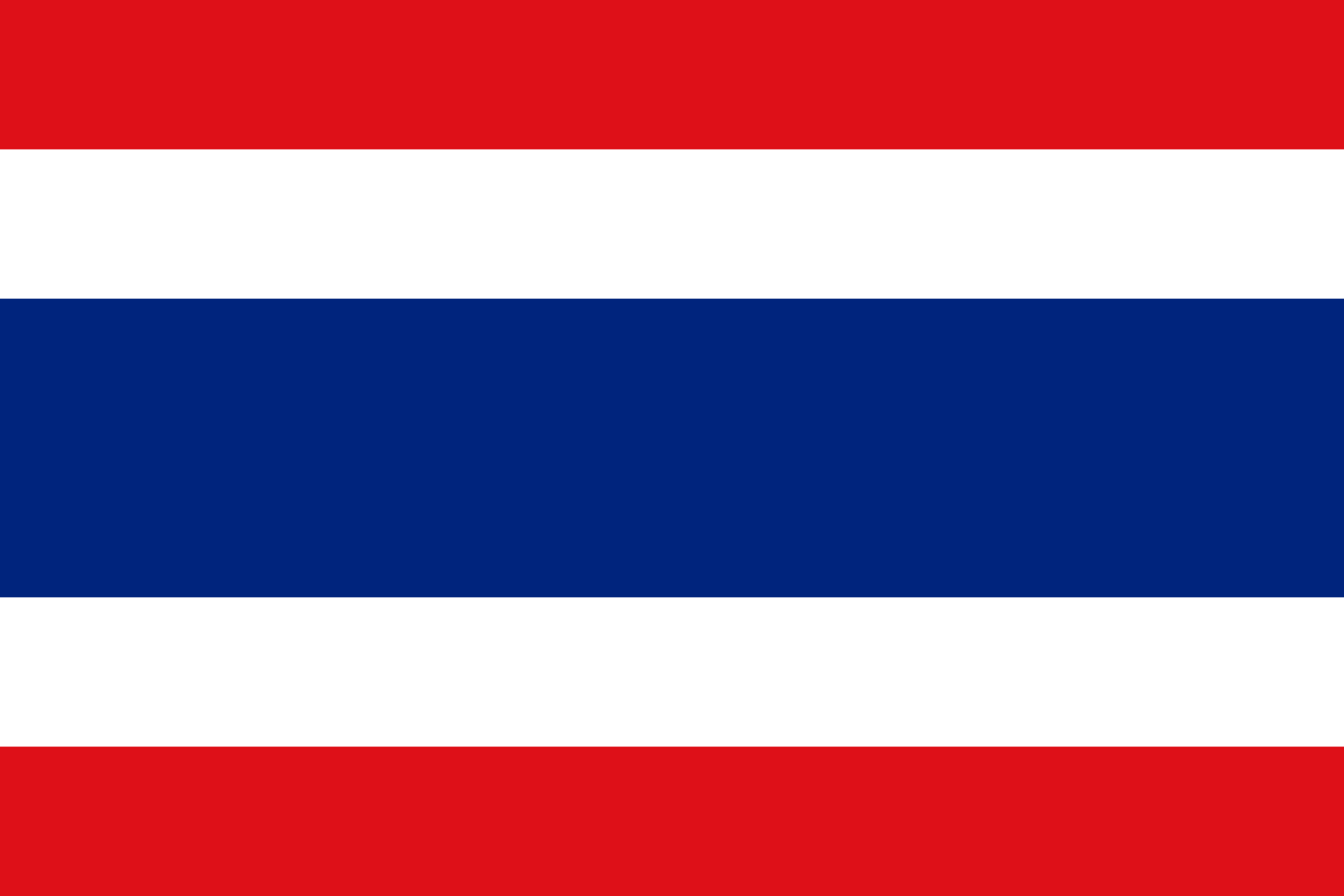
Flag of Thailand
The flag of Thailand, known as the Triranga, consists of five horizontal stripes in red, white, blue, white, and red. The red stripes symbolize the nation and the blood of life, while the white stripes represent purity and Buddhism. The central blue stripe stands for the monarchy and national unity. Adopted in 1917, the flag reflects Thailand’s core values of nation, religion, and king, forming an important symbol of Thai identity.
Introduction
Thailand, officially known as the Kingdom of Thailand, is a Southeast Asian nation renowned for its rich cultural heritage, vibrant traditions, and stunning landscapes. Located at the heart of mainland Southeast Asia, Thailand shares borders with Myanmar, Laos, Cambodia, and Malaysia. With a unique blend of ancient history and modern development, the country has emerged as one of Asia’s most popular tourist destinations and an important regional economy.
Geography and Climate
Thailand features diverse geography, including fertile plains, forested mountains, long coastlines, and tropical islands. The central region is dominated by the Chao Phraya River basin, which supports extensive rice cultivation and agriculture. Northern Thailand is mountainous, while the south is known for its beaches and islands along the Andaman Sea and the Gulf of Thailand. The country has a tropical climate with three main seasons: hot, rainy, and cool, which greatly influence agriculture and daily life.
History and Political System
Thailand has a long and proud history as the only Southeast Asian nation never colonized by a European power. Ancient kingdoms such as Sukhothai and Ayutthaya laid the foundation for Thai culture, language, and governance. In 1932, Thailand transitioned from an absolute monarchy to a constitutional monarchy. Today, the King serves as the head of state, while the Prime Minister leads the government. Thai politics have experienced periods of stability and change, including military influence and democratic movements.
Culture and Society
Thai culture places strong emphasis on respect, family values, and social harmony. Buddhism is the dominant religion and deeply influences daily life, art, and festivals. Temples, known as “wats,” are central to communities and showcase intricate architecture. Traditional customs such as the wai greeting reflect politeness and respect. Thai cuisine, famous worldwide, is known for its balance of sweet, sour, salty, and spicy flavors.
Economy and Development
Thailand has a mixed economy with strong agricultural, industrial, and service sectors. It is a leading exporter of rice, rubber, automobiles, and electronics. Tourism plays a vital role in the economy, attracting millions of visitors each year. In recent decades, Thailand has invested in infrastructure, education, and technology to support sustainable development and global trade.
Conclusion
Thailand stands out as a nation where tradition and modernity coexist harmoniously. Its historical resilience, cultural richness, natural beauty, and economic growth make it a significant country in Southeast Asia. As Thailand continues to develop, it remains deeply connected to its heritage while embracing the future with confidence.