KINGS OF THAILAND
Kings of Thailand
Thailand, formerly known as Siam, has a long and respected monarchical tradition that plays a central role in the nation’s history, culture, and identity. The Thai monarchy has evolved over centuries, guiding the country through periods of expansion, reform, modernization, and political change. Below is an overview of the most significant kings of Thailand, especially from the Chakri Dynasty, which continues to rule today.
LIST OT KINGS OF THAILAND

Early Monarchs and the Rise of Siam
Before the modern era, Thai kingdoms such as Sukhothai and Ayutthaya were ruled by powerful kings who laid the foundations of Thai governance, Buddhism, and culture. Kings like Ramkhamhaeng the Great of Sukhothai promoted Thai script, Theravada Buddhism, and a paternal style of rule. Ayutthaya kings later expanded Siam’s territory and strengthened royal authority, making the monarchy the core of political power.
King Rama I and the Chakri Dynasty
In 1782, King Rama I (Phra Phutthayotfa Chulalok) founded the Chakri Dynasty, which still rules Thailand today. He established Bangkok as the capital and restored stability after years of conflict. Rama I also revived Thai laws, culture, and Buddhist traditions, shaping the framework of modern Thailand.
Reformist Kings of the 19th Century
King Rama IV (Mongkut) and King Rama V (Chulalongkorn) are remembered as visionary reformers. Rama IV opened Thailand to Western knowledge and diplomacy, while Rama V carried out major administrative, legal, and social reforms. He abolished slavery, modernized the bureaucracy, and preserved Thailand’s independence during a time of Western colonial expansion in Southeast Asia.
Transition to Constitutional Monarchy
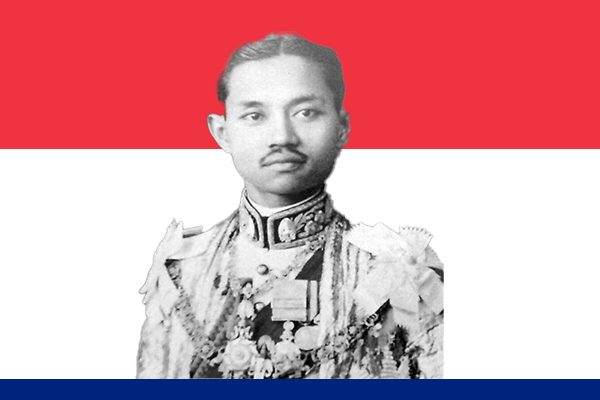
During the 20th century, Thailand transitioned from absolute monarchy to a constitutional monarchy. Kings such as Rama VII (Prajadhipok) accepted political reforms that limited royal power while maintaining the monarchy as a symbol of national unity. This period marked a significant shift in Thailand’s political structure.
King Rama IX: A Reign of Stability
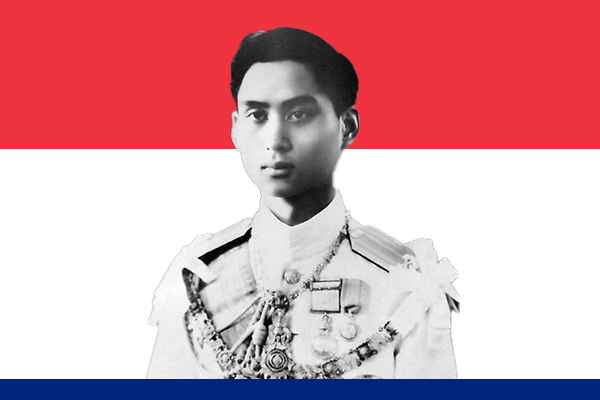
King Bhumibol Adulyadej (Rama IX), who reigned from 1946 to 2016, was the longest-serving monarch in Thai history. He earned deep respect for his dedication to rural development, economic self-sufficiency, and national harmony. His moral authority and commitment to the people made him a unifying figure during times of crisis.
The Present Monarch
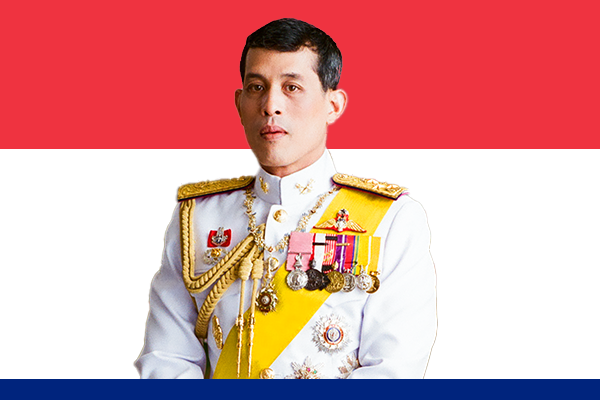
King Maha Vajiralongkorn (Rama X) ascended the throne in 2016. His reign represents continuity of the Chakri Dynasty in the modern era. While Thailand continues to face political and social challenges, the monarchy remains an important cultural and symbolic institution.
Conclusion
The kings of Thailand have played a crucial role in shaping the nation’s political, cultural, and spiritual life. From ancient warrior-kings to modern constitutional monarchs, the Thai monarchy reflects resilience, tradition, and adaptation across centuries of change.