Early Life and Education
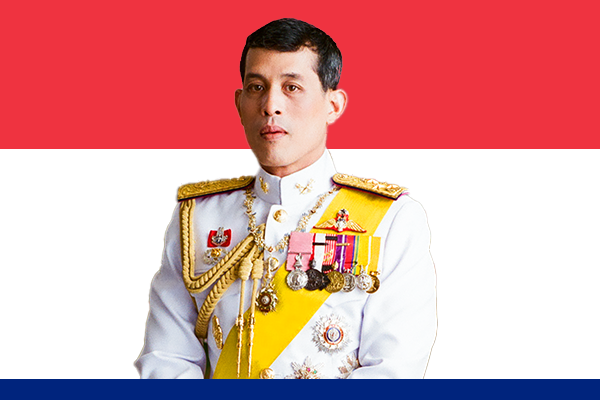
King Vajiralongkorn was born on July 28, 1952, in Bangkok. He grew up as the only son of King Bhumibol Adulyadej and Queen Sirikit. From an early age, the royal family prepared him for future leadership. He received education both in Thailand and abroad, including studies in the United Kingdom and Australia. He trained at military institutions such as the Royal Military College, Duntroon, where he developed discipline and leadership skills. Through this education, he built a strong foundation in military affairs, governance, and international exposure.
Military Career and Public Roles
King Vajiralongkorn actively pursued a military career long before his accession. He served in the Royal Thai Army, Navy, and Air Force, earning qualifications as a military pilot. He participated in counterinsurgency operations during the 1970s and 1980s, which strengthened his public image as a soldier-king. By engaging directly with military institutions, he reinforced his authority and gained practical experience in national security matters.
Accession to the Throne
After the death of King Bhumibol Adulyadej in October 2016, Thailand entered a period of national mourning. King Vajiralongkorn formally accepted the invitation to ascend the throne in December 2016. He chose to delay his coronation to observe mourning traditions, reflecting respect for royal customs. His official coronation took place in May 2019, marking a new era for the Thai monarchy under his direct leadership.
Role in Thailand’s Constitutional Monarchy
As king, Vajiralongkorn actively exercises constitutional powers. He endorses laws, appoints key officials, and plays a symbolic yet influential role in Thai politics. Unlike his father, who emphasized moral authority and rural development, King Vajiralongkorn focuses more on consolidating royal authority and reorganizing royal institutions. He brought certain military units and royal assets directly under his control, which significantly reshaped the monarchy’s administrative structure.
Personal Life and Public Image
King Vajiralongkorn’s personal life has often drawn public attention. He married several times and has children who remain part of the royal lineage. His lifestyle and decisions have generated both support and criticism within Thailand and abroad. Despite mixed perceptions, he continues to command respect as the head of state and a central symbol of national unity.
Legacy and Contemporary Significance
King Vajiralongkorn reigns during a challenging period marked by political debates, constitutional reforms, and generational change. Through decisive actions, he asserts the monarchy’s relevance in modern Thailand. His reign highlights a shift from a purely moral monarchy to a more institutionally assertive one. As Thailand continues to evolve, King Vajiralongkorn’s leadership will play a crucial role in defining the future balance between tradition, monarchy, and democracy.
Conclusion
King Vajiralongkorn stands as a pivotal figure in Thailand’s modern history. By actively shaping royal authority, maintaining constitutional duties, and guiding the nation through transition, he continues the legacy of the Chakri dynasty while imprinting his own distinct approach on the Thai monarchy.