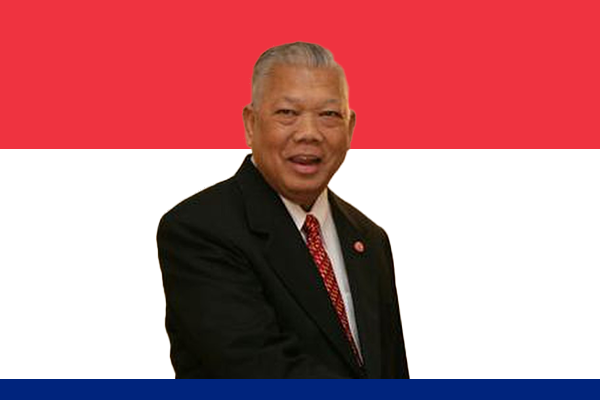
Early Life and Education
Samak Sundaravej was born on 13 June 1935 in Bangkok, Thailand. He grew up in a middle-class family that valued education and public service. Samak studied law at Thammasat University, one of Thailand’s most respected institutions. His legal education helped him develop strong debating skills and a deep understanding of constitutional and administrative matters, which later defined his political career.
Entry into Politics
Samak entered politics in the 1960s and quickly gained attention for his direct speaking style. He joined the Democrat Party early in his career and won election as a Member of Parliament. Through parliamentary debates, Samak established himself as a fearless speaker who openly challenged opponents. His bold personality helped him stand out in Thai politics, even when his views created division.
Ministerial Roles and Administrative Experience
Samak held several key ministerial positions before becoming prime minister. He served as Minister of Interior, where he exercised strong authority over local administration and public order. During this period, Samak focused on strengthening state control and enforcing law and discipline. He also served as Minister of Transport and Communications, gaining valuable experience in national governance. These roles prepared him for executive leadership at the highest level.
Prime Ministership of Thailand
Samak Sundaravej assumed office as Prime Minister in January 2008. He led the People Power Party, which many viewed as politically aligned with former Prime Minister Thaksin Shinawatra. Samak openly defended Thaksin and promised to continue policies aimed at supporting rural populations and economic development.
As prime minister, Samak faced massive street protests and strong opposition from political rivals. He firmly rejected calls to resign and consistently defended his government’s legitimacy. His leadership style remained confrontational, as he directly criticized protest movements and media outlets that challenged his authority.
Controversies and Legal Challenges
Samak’s tenure remained short due to legal and ethical controversies. The Constitutional Court removed him from office in September 2008 after ruling that he violated conflict-of-interest laws by receiving payment for hosting television cooking shows while serving as prime minister. This decision ended his premiership but intensified debates about judicial intervention in Thai politics.
Despite his removal, Samak continued to defend his actions and argued that the ruling was unfair. His supporters praised his honesty and resilience, while critics viewed the episode as a symbol of political instability.
Personality and Public Image
Samak Sundaravej built a reputation as a blunt, outspoken, and confident leader. He never hesitated to express controversial opinions and often challenged political correctness. While many admired his courage and experience, others criticized his aggressive tone and uncompromising attitude. His strong personality made him one of Thailand’s most recognizable political figures.
Death and Legacy
Samak Sundaravej passed away on 24 November 2009. His death marked the end of a long and influential political journey. Samak left behind a complex legacy shaped by decades of public service, intense political battles, and unwavering personal conviction. Historians continue to study his career as a reflection of Thailand’s turbulent democratic evolution.
Conclusion
Prime Minister Samak Sundaravej played a significant role in modern Thai politics through his leadership, controversies, and strong political identity. His life illustrates the challenges of governance in a deeply divided political environment. Even today, Samak remains a symbol of experience, controversy, and determination in Thailand’s political history.