Mr. Saud
In Office: 9 October 1953 – 16 August 1954
21 December 1960 – 31 October 1962
Political Party: League of Arab States
Home State: Kuwait
Lifespan: 1902 – 1969
Country: Saudi Arabia
Image credits available here.
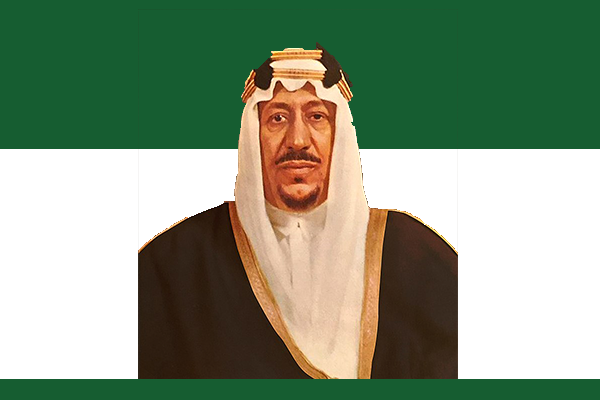
Early Life and Preparation for Leadership
Saud bin Abdulaziz Al Saud was born in 1902 in Kuwait. From a young age, he received training in leadership, diplomacy, and military affairs under the guidance of his father. King Abdulaziz prepared Saud for governance by involving him in administrative duties and tribal negotiations. These early responsibilities helped Saud understand the complexities of ruling a diverse and rapidly changing nation. His upbringing emphasized loyalty, religious values, and commitment to the unity of Saudi Arabia.
Becoming Prime Minister and King
In 1953, Saud bin Abdulaziz ascended the throne and automatically assumed the position of Prime Minister. As Prime Minister, he took direct control of the executive branch and guided national policy. Saud aimed to continue his father’s legacy while also introducing new administrative systems. He expanded government ministries, strengthened state institutions, and increased public spending to improve infrastructure and social services.
Domestic Policies and Reforms
Prime Minister Saud focused strongly on domestic development. He invested oil revenues in education, healthcare, and transportation. Under his leadership, the government established new schools and hospitals and expanded road networks across the kingdom. Saud also supported the growth of the civil service, believing that a modern bureaucracy would help manage the country’s rapid development. These initiatives laid the foundation for long-term national growth, even though financial management often remained a challenge.
Foreign Policy and International Relations
Saud bin Abdulaziz actively engaged in foreign diplomacy. As Prime Minister, he strengthened Saudi Arabia’s ties with Arab nations and supported Arab causes, especially the Palestinian issue. He also maintained strategic relationships with Western countries, recognizing the importance of oil exports and international cooperation. Through diplomatic visits and agreements, Saud worked to position Saudi Arabia as an influential voice in regional and global affairs.
Challenges and Political Struggles
Despite his ambitions, Prime Minister Saud faced serious challenges. Rapid government spending led to financial strain, and disagreements emerged within the royal family over governance and fiscal discipline. His relationship with Crown Prince Faisal became increasingly tense, as Faisal advocated for stricter financial controls and administrative reforms. These internal conflicts weakened Saud’s authority and created political instability.
Decline of Power and Removal
As financial and administrative problems intensified, the royal family intervened. In 1964, senior princes and religious leaders decided to transfer power to Crown Prince Faisal. Saud stepped down as Prime Minister and King, marking a significant transition in Saudi leadership. This decision aimed to restore stability and strengthen governance structures within the kingdom.
Legacy of Prime Minister Saud
Prime Minister Saud bin Abdulaziz Al Saud left a mixed but important legacy. He expanded the Saudi state and accelerated modernization during the early oil era. Although his rule faced economic and political difficulties, his efforts contributed to the institutional growth of Saudi Arabia. Historians remember him as a leader who sought progress but struggled to balance ambition with effective management.
Conclusion
Prime Minister Saud bin Abdulaziz Al Saud played a vital role in Saudi Arabia’s early development as a modern state. Through his reforms, diplomacy, and leadership, he shaped the direction of the kingdom during a critical period. His tenure highlights both the opportunities and challenges of governing a rapidly evolving nation.