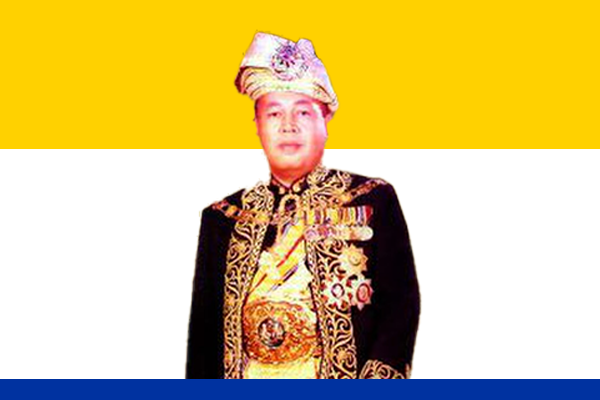
Early Life and Royal Background
Tuanku Syed Putra Jamalullail was born on 25 November 1920 into the royal Jamalullail family of Perlis, one of the smallest yet historically significant states in Malaysia. From an early age, he received a disciplined upbringing rooted in royal etiquette, Islamic values, and Malay customs. His education included both traditional religious instruction and modern administrative learning, which prepared him well for leadership roles in the future.
Accession as Raja of Perlis
In 1945, Tuanku Syed Putra ascended the throne as the Raja of Perlis, succeeding his predecessor during a period of political transition following World War II. As Raja, he focused on restoring stability, improving governance, and strengthening the welfare of his people. He worked closely with local leaders and administrators to modernize state institutions while preserving cultural identity.
Role as Yang di-Pertuan Agong
Tuanku Syed Putra achieved national prominence when he was elected as the Yang di-Pertuan Agong of Malaysia (1960–1965). As the constitutional monarch, he served as the symbol of unity for a young nation navigating post-independence challenges. During his tenure, he upheld the Federal Constitution, supported democratic institutions, and promoted harmony among Malaysia’s diverse ethnic and religious communities. His calm leadership style earned him admiration across the country.
Contributions and Leadership Style
Known for his simplicity and approachability, Tuanku Syed Putra believed that a ruler should serve the people with sincerity and fairness. He encouraged education, supported Islamic institutions, and emphasized moral values in public life. His leadership balanced tradition with progress, making him a respected figure both in Perlis and at the national level.
Legacy and Death
Tuanku Syed Putra Jamalullail passed away on 16 April 2000, leaving behind a lasting legacy of integrity and service. He is remembered as a monarch who strengthened Malaysia’s constitutional monarchy and guided his state with compassion and wisdom. His life continues to inspire respect for leadership rooted in duty, humility, and national unity.