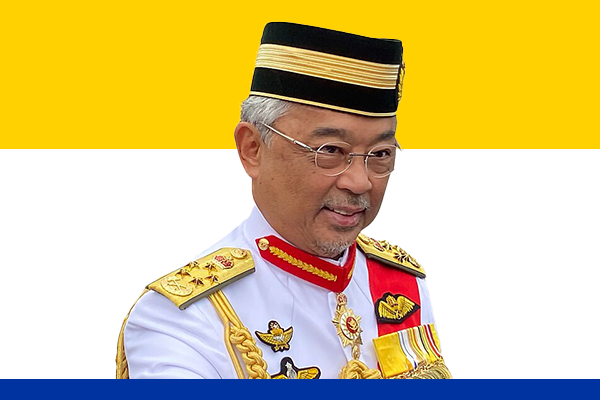
King Sultan Abdullah Ri’ayatuddin Al-Mustafa Billah Shah, born on July 30, 1959, is the 16th Yang di-Pertuan Agong (King) of Malaysia and the Sultan of Pahang. Known for his dedication to public service, diplomacy, and nation-building, Sultan Abdullah represents a modern vision of monarchy while maintaining Malaysia’s rich cultural and traditional heritage. His life reflects a seamless blend of royal responsibility, public engagement, and a strong commitment to the well-being of his people.
Sultan Abdullah received his early education in Malaysia before pursuing higher studies abroad. He attended the Royal Military Academy Sandhurst in the United Kingdom, an experience that instilled in him discipline, leadership, and a deep understanding of governance and military affairs. His international exposure allowed him to cultivate relationships with global leaders and understand the nuances of diplomacy, which later played a vital role in his contributions as a national figure.
Before ascending the throne, Sultan Abdullah served in various capacities within the state of Pahang. His commitment to education, healthcare, and socio-economic development set a strong foundation for his future reign. He actively promoted initiatives to enhance rural development, improve access to healthcare, and empower youth through education and entrepreneurship programs. These efforts earned him recognition and respect both locally and internationally, portraying him as a forward-thinking and compassionate leader.
In January 2019, Sultan Abdullah was elected as the 16th Yang di-Pertuan Agong of Malaysia, marking a significant milestone in his royal journey. His tenure as King coincided with critical political and social developments in Malaysia. Throughout his reign, he emphasized national unity, integrity, and stability. Sultan Abdullah often reminded citizens of the importance of upholding constitutional principles while fostering tolerance among Malaysia’s diverse communities. His speeches and public engagements frequently focus on social harmony, the rule of law, and the responsibilities of leaders and citizens alike.
Sultan Abdullah’s role in Malaysia extends beyond ceremonial duties. He has been instrumental in mediating during times of political uncertainty, demonstrating wisdom and neutrality in sensitive matters. His leadership style reflects a balance of tradition and modernity, where he honors Malaysia’s royal customs while embracing the evolving needs of a progressive nation. Additionally, he supports environmental conservation and sustainable development, recognizing the importance of preserving Malaysia’s natural resources for future generations.
As Sultan of Pahang, Sultan Abdullah continues to actively engage in state affairs, promoting development projects and cultural preservation. He patronizes arts, sports, and community initiatives, reinforcing the monarchy’s role in promoting societal well-being. His dedication to the people, humility, and sense of duty have strengthened public confidence in the monarchy, ensuring that the institution remains relevant and respected in contemporary Malaysian society.
In conclusion, King Sultan Abdullah embodies the ideals of leadership, service, and national unity. His reign reflects a commitment to the welfare of Malaysians, the promotion of cultural heritage, and the maintenance of stability and harmony across the nation. As a monarch, he exemplifies the balance between upholding tradition and embracing progress, leaving a lasting legacy in both the state of Pahang and the broader Malaysian nation. Sultan Abdullah’s vision and dedication continue to inspire Malaysians, illustrating the enduring role of the monarchy in fostering national pride, unity, and development.