Norodom Sihanouk
Reign: 24 April 1941 – 2 March 1955
24 September 1993 – 6 October 2004
Coronation: 3 May 1941
Home State: Phnom Penh
Lifespan: 1993–2004
Country: Cambodia
Image credits available here.
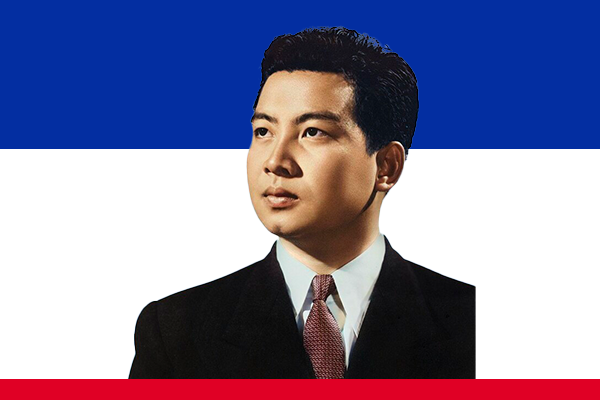
Early Life and Ascension to the Throne
Norodom Sihanouk was born on October 31, 1922, in Phnom Penh. He belonged to the Norodom branch of the Cambodian royal family. Educated in Cambodia and later in France, Sihanouk did not initially expect to become king. However, in 1941, during the period of French colonial rule, authorities selected him as monarch at the young age of 18, believing he would be easy to guide. This assumption proved incorrect, as Sihanouk soon demonstrated political skill and determination.
Leadership and Cambodia’s Independence
One of Sihanouk’s greatest achievements was leading Cambodia to independence from France. During the late 1940s and early 1950s, he actively campaigned on the international stage, negotiating and applying pressure on colonial authorities. His efforts culminated in full independence in 1953. This success transformed him from a young monarch into a national hero and symbol of Cambodian sovereignty.
Abdication and Political Dominance
In 1955, Sihanouk made a surprising decision to abdicate the throne in favor of his father. This move allowed him to enter politics directly. He founded a political movement and became prime minister, maintaining control over Cambodia’s political system. Although Cambodia remained officially neutral during the Cold War, Sihanouk skillfully balanced relations with global powers while attempting to preserve peace and independence.
Exile, Conflict, and Return
The stability Sihanouk worked to maintain eventually collapsed amid regional conflict and internal divisions. In 1970, while Sihanouk was abroad, a coup removed him from power. He went into exile and later aligned himself with resistance forces. Cambodia then endured devastating years of civil war and the brutal rule of the Khmer Rouge. Despite these tragedies, Sihanouk remained a unifying symbol for many Cambodians.
After years of conflict, peace negotiations in the early 1990s allowed Sihanouk to return. In 1993, Cambodia restored the monarchy, and Sihanouk once again became king. His return symbolized national reconciliation and hope after decades of suffering.
Cultural Contributions and Personal Legacy
Beyond politics, Sihanouk was deeply involved in Cambodian culture. He was an accomplished filmmaker, composer, and writer, producing numerous films and musical works that celebrated Cambodian traditions. His artistic pursuits reflected his desire to preserve national identity and pride, even during times of exile.
Sihanouk’s personality was complex—charismatic, controversial, and deeply emotional. Supporters admired his dedication to Cambodia’s independence and culture, while critics questioned some of his political decisions. Nevertheless, his influence on Cambodian history is undeniable.
Conclusion
King Norodom Sihanouk passed away in 2012, leaving behind a legacy unlike that of any other Cambodian leader. He shaped modern Cambodia through monarchy, politics, diplomacy, and culture. His life story reflects both the resilience and the struggles of the Cambodian nation, making him a central figure in understanding Cambodia’s past and present.