Mr. Choe Yong-gon
In Office: 20 September 1957 – 28 December 1972
Political Party: Workers’ Party of Korea
Home State: Taschen
Lifespan: 1900–1976
Country: North Korea
Image credits available here.
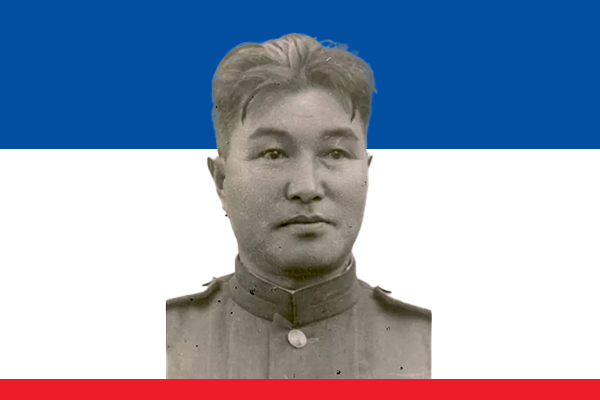
Early Life and Revolutionary Background
Choe Yong-gon was born in 1900 during a period when Korea was under increasing pressure from Japanese imperial expansion. Like many North Korean leaders of his generation, he became involved in anti-Japanese resistance activities at a young age. He participated in revolutionary movements that sought to liberate Korea from colonial rule, gaining experience in political organization and military coordination.
His revolutionary credentials and loyalty to the communist cause allowed him to rise steadily within the emerging leadership structure after Korea’s liberation in 1945.
Rise in North Korean Politics
Following the establishment of North Korea in 1948, Choe Yong-gon became an important figure in the new government. He held several senior posts, including roles in military and party institutions. His close alignment with Kim Il-sung and the dominant political line of the Workers’ Party of Korea ensured his continued advancement.
By the mid-1950s, Choe had earned a reputation as a disciplined and reliable leader, trusted to represent the state both domestically and internationally.
Chairman of the Presidium: Head of State
In 1957, Choe Yong-gon was appointed Chairman of the Presidium of the Supreme People’s Assembly. Under North Korea’s political system, this position made him the formal head of state. He signed laws, received foreign diplomats, and represented the country at official events.
While Kim Il-sung remained the supreme leader and head of government, Choe’s role was essential in maintaining constitutional legitimacy. His long tenure provided stability during a period marked by post-war reconstruction, ideological consolidation, and the strengthening of state institutions.
Domestic and International Role
Domestically, Choe Yong-gon supported policies focused on socialist development, industrialization, and political unity. He played a symbolic role in reinforcing loyalty to the state and the ruling party.
Internationally, he represented North Korea in diplomatic relations with other socialist countries and newly independent states. His presence at official functions helped project an image of a structured and sovereign government during the Cold War era.
Later Years and Death
Choe Yong-gon continued as head of state until 1972, when a new constitution reorganized North Korea’s political system and introduced the presidency. After stepping down, his public role diminished, reflecting the increasing centralization of power around Kim Il-sung.
He died in 1976, leaving behind a legacy closely tied to the institutional development of North Korea.
Legacy and Historical Significance
Choe Yong-gon remains significant as one of the longest-serving heads of state in North Korea history. Though not the ultimate decision-maker, he played a crucial role in legitimizing the political system and representing the state during its formative years. His career illustrates how leadership in North Korea combined revolutionary background, party loyalty, and institutional authority to shape the nation’s governance.