PRESIDENTS OF UZBEKISTAN
Presidents of Uzbekistan
Uzbekistan, a Central Asian nation with a rich historical and cultural legacy, became an independent country in 1991 after the dissolution of the Soviet Union. Since independence, the office of the President of Uzbekistan has played a central role in shaping the nation’s political system, economic reforms, and foreign relations. So far, Uzbekistan has had three presidents, each leaving a distinct mark on the country’s development.
LIST OF PRESIDENTS OF UZBEKISTAN
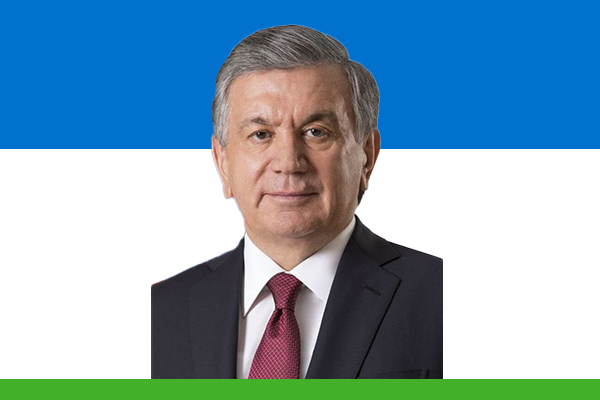
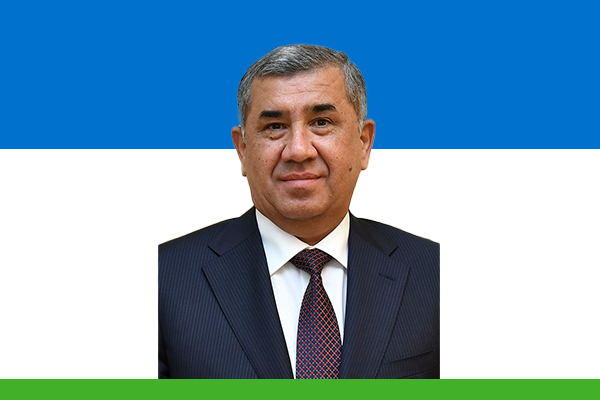

Islam Karimov (1991–2016)
Islam Karimov was the first President of Uzbekistan and served for over 25 years. He assumed office at the time of independence and focused on maintaining stability in a newly formed state. Karimov established a strong presidential system and emphasized national sovereignty, internal security, and gradual economic reforms.
Under his leadership, Uzbekistan followed a cautious approach toward market liberalization, keeping significant state control over key industries such as energy and agriculture. Karimov also prioritized secular governance and took firm measures against extremist movements. In foreign policy, he pursued a balanced approach, maintaining relations with major powers while safeguarding Uzbekistan’s independence. His long tenure provided continuity, though it also faced criticism for limited political freedoms.
Shavkat Mirziyoyev (2016–Present)
Following Karimov’s death in 2016, Shavkat Mirziyoyev was elected president. His leadership marked a new phase in Uzbekistan’s political and economic life. Mirziyoyev introduced wide-ranging reforms aimed at modernizing the economy, improving governance, and opening the country to the world.
He initiated policies to liberalize the currency, attract foreign investment, and reduce bureaucratic barriers for businesses. Social reforms, improvements in public administration, and steps toward greater media openness also became key features of his presidency. In regional diplomacy, Mirziyoyev strengthened ties with neighboring Central Asian countries, promoting cooperation and stability. His reform-oriented agenda has significantly changed Uzbekistan’s international image.
Shavkat Mirziyoyev’s Renewed Mandate
Mirziyoyev has continued in office through subsequent elections, consolidating his reform program while maintaining strong presidential authority. His administration emphasizes infrastructure development, digitalization, education reforms, and social welfare. While the pace and depth of reforms are still debated, his presidency represents a shift toward a more open and pragmatic governance style compared to the early post-independence period.
Conclusion
The presidency in Uzbekistan has been a powerful institution since independence. Islam Karimov laid the foundations of the modern Uzbek state through stability and centralized control, while Shavkat Mirziyoyev has focused on reform, openness, and regional cooperation. Together, these leaders reflect Uzbekistan’s transition from a newly independent nation to an evolving state seeking economic growth, modernization, and a stronger role on the global stage.