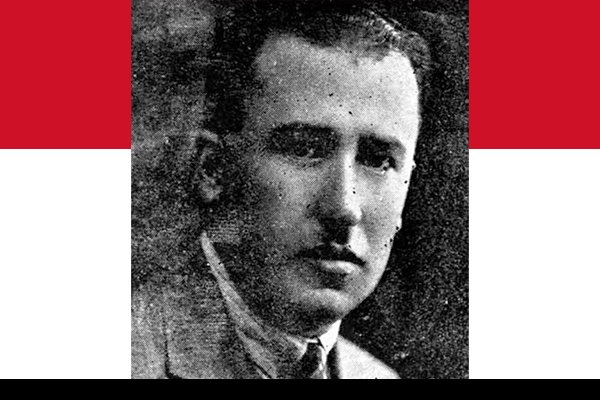
Early Life and Background
Bahij al-Khatib was born in Damascus in the late 19th century into a respected family. He received a traditional education and later became involved in administrative and political affairs under Ottoman and later French influence. His background in governance and public administration helped him gain recognition as a disciplined and pragmatic official. Unlike revolutionary nationalists, al-Khatib followed a cautious and conservative political path, prioritizing order and administrative continuity over mass political mobilization.
Political Rise
Bahij al-Khatib rose to prominence during the French Mandate period, when Syria experienced frequent political changes and instability. French authorities viewed him as a reliable administrator who could maintain control and reduce nationalist unrest. In 1939, following political deadlock and constitutional suspension, he was appointed President of Syria. His appointment was largely supported by the French, which immediately created distrust among Syrian nationalists and political activists.
Presidency of Syria
Bahij al-Khatib served as President from 1939 to 1941. His presidency coincided with the outbreak of World War II, which further complicated Syria’s political environment. During his rule, the Syrian constitution was suspended, political parties were restricted, and parliamentary life was largely halted. Al-Khatib governed through decrees, focusing on maintaining administrative stability rather than democratic reforms.
His government cooperated closely with French authorities, which allowed him to remain in power but weakened his domestic legitimacy. Many Syrians viewed his presidency as an extension of colonial control rather than a step toward independence. Nationalist leaders strongly opposed his rule, accusing him of suppressing political freedoms and ignoring popular demands for self-governance.
Challenges and Opposition
Bahij al-Khatib faced intense opposition from Syrian nationalist groups who demanded independence and constitutional government. Economic difficulties, wartime pressures, and public dissatisfaction further weakened his position. Strikes, protests, and political resistance became increasingly common. His inability to balance French interests with Syrian aspirations ultimately limited his effectiveness as a leader.
End of Presidency
In 1941, amid growing unrest and changes in French political strategy during World War II, Bahij al-Khatib resigned from the presidency. His departure marked the end of a highly controlled political phase in Syria and opened the way for renewed constitutional and nationalist efforts. After leaving office, he withdrew from active political life and lived quietly away from the center of power.
Legacy and Historical Assessment
Bahij al-Khatib’s legacy remains mixed. Supporters argue that he maintained administrative order during an exceptionally unstable period, while critics see him as a symbol of colonial dominance and political repression. Historians generally regard his presidency as a transitional phase rather than a transformative one. His rule highlights the challenges faced by Syrian leaders operating under foreign control and limited sovereignty.
Conclusion
President Bahij al-Khatib played a cautious and controversial role in Syrian history. Governing during wartime and under colonial authority, he prioritized stability over popular politics. Although his presidency did not advance Syrian independence, it reflects the complex realities of leadership during a critical and uncertain period in the nation’s journey toward self-rule.