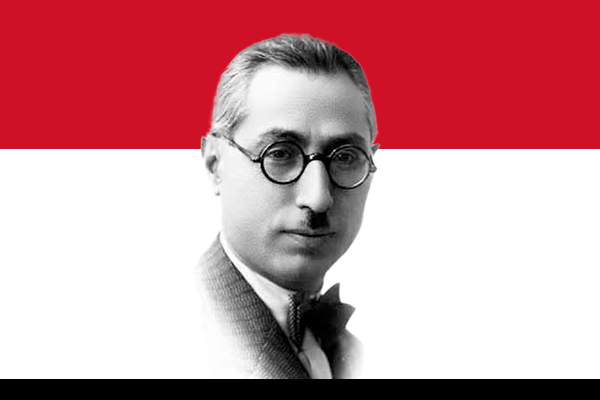
Early Life and Education
Jamil Mardam Bey was born in Damascus in 1893 into a respected and politically active family. He received his early education in Syria and later continued his studies in Europe, where he was exposed to modern political thought and nationalist movements. His time abroad strengthened his opposition to foreign domination and inspired his commitment to Arab independence. Upon returning to Syria, he became actively involved in nationalist circles opposing Ottoman decline and later the French Mandate.
Role in the Syrian National Movement
During the period of the French Mandate, Mardam Bey emerged as a central figure in the National Bloc, the leading political organization advocating peaceful resistance and diplomatic negotiation for Syrian independence. He worked closely with other nationalist leaders to mobilize public opinion, organize political pressure, and negotiate with French authorities. His political style emphasized diplomacy over armed confrontation, believing that sustained negotiation could secure sovereignty with fewer sacrifices.
Tenure as Prime Minister
Jamil Mardam Bey served as prime minister of Syria several times between the 1930s and 1940s. His terms in office coincided with some of the most challenging moments in Syrian history. As prime minister, he focused on reducing French influence, strengthening Syrian administrative institutions, and asserting national authority. One of his most notable achievements was his involvement in negotiations that led to the Franco-Syrian Treaty, which promised Syrian independence, even though its implementation was delayed.
Diplomatic Contributions
Beyond domestic politics, Mardam Bey played an important diplomatic role in regional and international affairs. He represented Syria in Arab and international forums, advocating for cooperation among Arab states and collective resistance to colonial control. His diplomatic efforts reflected a broader vision of Arab unity, where independent Arab nations could collaborate politically and economically while respecting national sovereignty.
Challenges and Controversies
Mardam Bey’s political career was not without controversy. The instability of Syrian politics, marked by frequent changes in government and competing ideological movements, limited his ability to implement long-term reforms. Additionally, the pressures of World War II and shifting alliances placed Syria in a difficult geopolitical position. Despite criticism from rivals, Mardam Bey remained committed to constitutional governance and negotiated independence.
Legacy and Historical Significance
Jamil Mardam Bey is remembered as a pragmatic nationalist who helped guide Syria from colonial rule toward independence. His leadership style combined diplomacy, political realism, and a strong belief in Arab nationalism. Although later political developments in Syria moved in different directions, his contributions laid important foundations for statehood and international recognition. Today, historians regard him as a key architect of modern Syrian political life and an enduring symbol of the country’s struggle for self-determination.