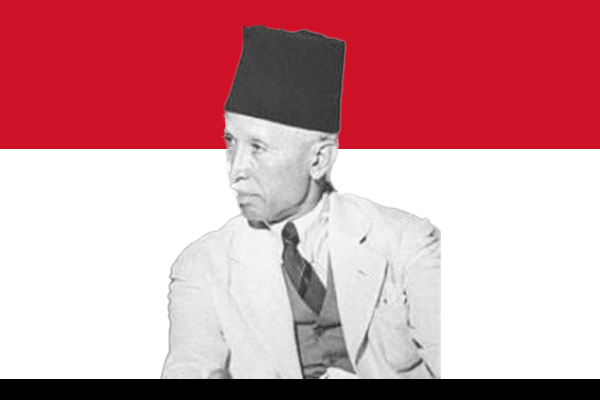
Early Life and Background
Nasuhi al-Bukhari was born into a respected family with strong cultural and administrative traditions. His upbringing emphasized education, discipline, and public service, which prepared him for a career in governance. Like many leaders of his era, he was influenced by the reformist ideas that spread across the Arab provinces in the late Ottoman period. These ideas promoted constitutional rule, administrative modernization, and national self-determination.
He developed a reputation as a capable administrator and intellectual, which helped him gain recognition among political elites in Damascus. His understanding of law and governance made him a suitable candidate for leadership during a politically fragile period.
Political Context of His Leadership
Nasuhi al-Bukhari served as Prime Minister in 1919, a time marked by instability and uncertainty. The Ottoman Empire had collapsed after the First World War, and Syria was attempting to define itself as an independent political entity. Competing foreign interests, especially European powers, placed immense pressure on the emerging Syrian leadership.
Internally, Syria faced challenges such as weak institutions, economic disruption, and disagreements among nationalist leaders over the future direction of the country. Al-Bukhari’s government operated within this complex environment, where maintaining unity and order was a constant struggle.
Role as Prime Minister of Syria
As Prime Minister, Nasuhi al-Bukhari focused on maintaining administrative continuity and supporting efforts to build a functioning Syrian state. He worked to stabilize government operations and ensure that essential services continued despite political uncertainty. His leadership style was cautious and pragmatic, reflecting his awareness of Syria’s limited autonomy at the time.
Al-Bukhari supported the idea of constitutional governance and cooperated with other nationalist leaders who sought international recognition for Syria. Although his government did not last long, it contributed to the broader effort of asserting Syrian political identity during a transitional phase.
Challenges and Limitations
Nasuhi al-Bukhari faced severe limitations during his tenure. Foreign intervention, particularly the growing influence of colonial powers, restricted the authority of Syrian leaders. Internally, divisions among political factions weakened the government’s ability to act decisively.
Economic hardship and administrative inexperience further complicated governance. Despite these challenges, al-Bukhari attempted to maintain stability and uphold national interests within the narrow space available to him.
Historical Significance and Legacy
Although Nasuhi al-Bukhari is not among the most widely remembered Syrian prime ministers, his role remains historically important. He represented a generation of leaders who attempted to guide Syria toward independence and self-rule under extremely difficult circumstances.
His tenure reflects the broader struggle of early Syrian governments to balance national aspirations with external pressures. Al-Bukhari’s commitment to orderly governance and constitutional principles contributed to the foundations of modern Syrian political thought.
Conclusion
Nasuhi al-Bukhari’s service as Prime Minister of Syria occurred during one of the most critical moments in the nation’s history. His leadership, though brief, demonstrated dedication to stability, governance, and national responsibility. As an early statesman of modern Syria, he occupies an important place in the country’s political development and the ongoing narrative of Syrian statehood.