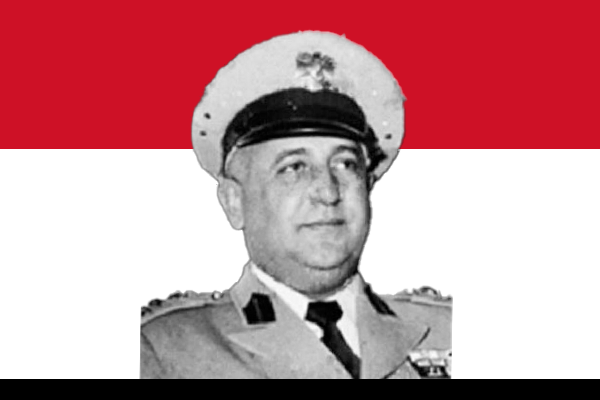
Early Life and Background
Fawzi Selu was born into a period when Syria was under Ottoman rule and later came under the French Mandate. Growing up in such a changing political environment influenced his interest in public service and governance. He received a formal education that prepared him for administrative and political responsibilities. Like many Syrian leaders of his generation, Selu was shaped by nationalist ideas and the desire for Syrian self-rule, sovereignty, and stability.
His early career included involvement in government administration and political affairs, where he gained experience in managing state matters. These roles helped him build a reputation as a capable and disciplined administrator.
Entry into Syrian Politics
After Syria gained independence, the country entered a phase marked by frequent changes in government and military interventions. Fawzi Selu emerged as a political figure during this unstable era. His loyalty to state institutions and his administrative skills brought him into the higher levels of government.
Selu worked closely with military and political leaders, which later helped him rise to the position of Prime Minister. His political approach was generally cautious, focusing on maintaining order and continuity rather than radical reforms.
Term as Prime Minister of Syria
Fawzi Selu served as Prime Minister during a period of political uncertainty and power struggles within Syria. His government faced challenges such as weak democratic institutions, economic difficulties, and pressure from competing political factions.
As Prime Minister, Selu emphasized administrative stability and coordination between civilian and military authorities. His leadership style was pragmatic, aiming to keep government functions running despite constant political tension. Although his term did not bring major policy breakthroughs, it helped prevent administrative collapse during a difficult time.
Role in Syrian Governance
Beyond his role as Prime Minister, Fawzi Selu contributed to Syrian governance by supporting state authority and institutional continuity. He believed in the importance of law, order, and centralized administration. His approach reflected the realities of Syria’s early republic, where leaders often focused on survival and stability rather than long-term reforms.
Selu’s political career demonstrates the influence of military-backed governments in Syria and the limited power of civilian leaders during that era. Even so, his efforts helped preserve basic governance structures.
Legacy and Historical Importance
Fawzi Selu may not be among the most famous Syrian leaders, but his role as Prime Minister holds historical value. He represents a generation of leaders who worked within unstable systems while trying to maintain national unity and government functionality.
His career highlights the difficulties Syria faced after independence, including political fragmentation and institutional weakness. Today, historians view Selu as a transitional leader whose service reflects the broader challenges of Syrian political history.
Conclusion
Fawzi Selu’s tenure as Prime Minister of Syria was shaped by uncertainty, political pressure, and national challenges. While his time in office was limited, his commitment to administration and stability left a meaningful mark on Syria’s early republican period. His leadership remains an important chapter in understanding the foundations and struggles of modern Syrian governance.