Early Life and Education
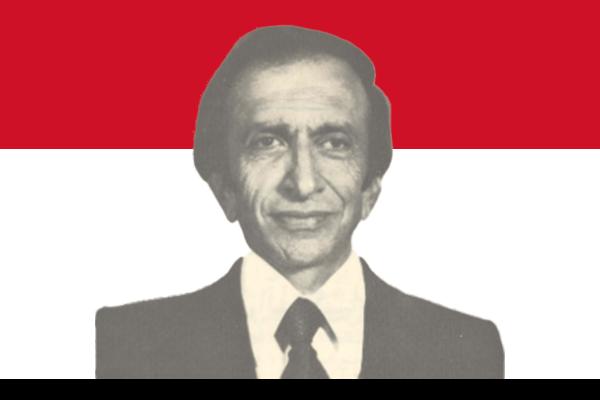
Abdul Rauf al-Kasm was born in 1932 in Damascus, Syria. He grew up in a period marked by political changes and national movements, which shaped his understanding of governance and public service. Al-Kasm pursued higher education in architecture and engineering, fields that provided him with analytical skills and a systematic approach to problem-solving. His technical background later influenced his methodical approach to political and administrative challenges in Syria.
Political Career Beginnings
Al-Kasm entered Syrian politics during the 1960s, a time when the country experienced political instability and numerous government transitions. He initially engaged in public administration, holding various technical and advisory roles within government ministries. His competence in managing projects and infrastructure initiatives earned him recognition among political leaders and peers. Over time, he transitioned from administrative roles to more politically significant positions, paving the way for his eventual appointment as Prime Minister.
Appointment as Prime Minister
Abdul Rauf al-Kasm became the Prime Minister of Syria in 1980 under the presidency of Hafez al-Assad. His tenure occurred during a period of relative stabilization after years of political turbulence in the country. As Prime Minister, al-Kasm faced the dual challenge of managing internal affairs while maintaining the broader strategic interests of Syria in a tense regional environment. His leadership emphasized administrative efficiency and the implementation of policies designed to strengthen the state apparatus.
Key Policies and Achievements
During his tenure, al-Kasm focused on economic development, infrastructure projects, and modernization initiatives. He advocated for improvements in education and health services, recognizing their role in enhancing social stability. His administration sought to streamline government operations, reduce bureaucratic inefficiencies, and implement measures that fostered national development.
Al-Kasm also played a significant role in strengthening Syria’s administrative institutions. He emphasized merit-based appointments and encouraged professional management within ministries. These measures aimed to create a more capable and responsive government capable of addressing both domestic challenges and international pressures.
Domestic and Regional Challenges
Al-Kasm’s time as Prime Minister coincided with a complex period in Syrian history. Internally, the government dealt with political dissent, social unrest, and economic difficulties. Al-Kasm’s approach combined strict governance with efforts to address socio-economic concerns.
On the regional front, Syria faced ongoing tensions with neighboring countries and the broader Middle East conflicts. Al-Kasm contributed to the formulation of policies that supported Syria’s strategic objectives while maintaining internal stability. He worked closely with President Hafez al-Assad to ensure that government policies aligned with the overarching goals of national security and regional influence.
Legacy and Impact
Abdul Rauf al-Kasm is remembered for his technocratic approach to governance and his emphasis on administrative efficiency. While his tenure did not produce radical political changes, his leadership strengthened state institutions and contributed to the stability of Syria’s government during a challenging period. His efforts in infrastructure, education, and public administration left a lasting mark on the administrative framework of the country.
Later Life
After his term as Prime Minister, al-Kasm continued to be respected as a senior statesman and an expert in governance and public administration. His career serves as an example of how technical expertise, combined with political acumen, can shape national leadership and governance.
Abdul Rauf al-Kasm’s journey from an engineer and administrator to the Prime Minister of Syria illustrates the importance of competent leadership and administrative skill in navigating complex political landscapes. His tenure reflected a blend of technical precision, political strategy, and dedication to national development.