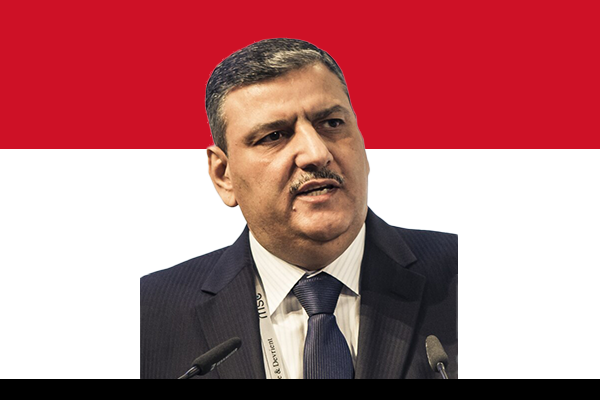
Early Life and Education
Riyad Farid Hijab was born in 1966 in Deir ez-Zor, a city in eastern Syria. He came from a Sunni Arab background, which held political significance in a country governed by a leadership dominated by the Alawite minority. Hijab pursued higher education in agricultural engineering, a field that later influenced his early professional career. His technical background helped him rise through administrative roles in Syria’s public sector, especially in regional governance related to agriculture and local administration.
Rise in Syrian Politics
Hijab steadily advanced within Syria’s political system through the ruling Ba’ath Party. He served in several provincial leadership roles and gained a reputation as an efficient administrator rather than a charismatic politician. In April 2011, at a time when protests were spreading across Syria, he was appointed Minister of Agriculture. His elevation during a period of national unrest indicated the government’s reliance on experienced technocrats to maintain stability and manage public services amid growing opposition.
Appointment as Prime Minister
In June 2012, President Bashar al-Assad appointed Riyad Farid Hijab as Prime Minister of Syria. His appointment came at a critical moment when violence had escalated and international pressure on the Syrian government was increasing. Hijab replaced Adel Safar and became one of the youngest prime ministers in the country’s history. Although the prime ministerial role in Syria holds limited independent power, Hijab’s position made him a key public face of the government during a turbulent phase of the conflict.
Defection from the Assad Government
Only about two months after his appointment, in August 2012, Riyad Farid Hijab defected from the Syrian government. His defection shocked observers both inside and outside Syria because of his high-ranking position. Hijab announced that he no longer supported a government that, in his words, oppressed its people. His departure marked the most senior political defection since the start of the civil war and dealt a symbolic blow to the Assad administration.
Role After Defection
Following his defection, Hijab aligned himself with the Syrian opposition. He later became involved with opposition groups seeking political transition and reform. For a period, he served as a senior figure within opposition leadership structures and participated in international discussions about Syria’s future. Although internal divisions within the opposition limited his influence, Hijab remained an important voice representing former state insiders who had turned against the regime.
Historical Significance
Riyad Farid Hijab’s brief tenure as Prime Minister and his subsequent defection hold lasting significance in Syrian political history. His actions highlighted the internal strains within the Syrian government during the civil war and demonstrated that dissent extended even to the highest levels of power. While his long-term political impact remains debated, his defection remains a powerful symbol of the conflict’s ability to reshape loyalties and alter political trajectories.
Conclusion
Riyad Farid Hijab’s political career reflects the dramatic and often tragic transformation of Syria since 2011. From a technocratic administrator to Prime Minister and finally an opposition figure, his journey illustrates the pressures faced by Syrian officials during the civil war. His story continues to be referenced as an example of how deeply the conflict affected the country’s leadership and governance.