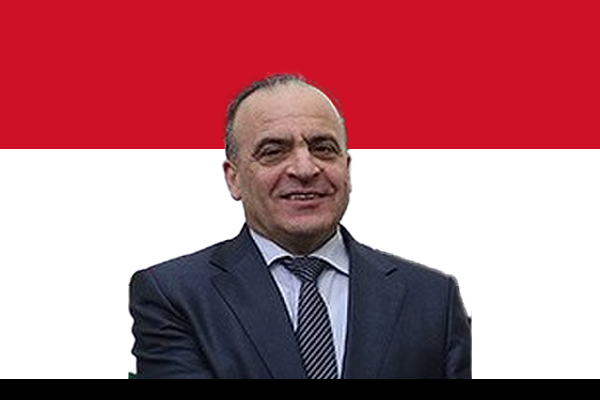
Early Life and Education
Imad Khamis was born in 1961 in Damascus, Syria. He pursued higher education in electrical engineering, a background that strongly influenced his later professional and political career. Known for his technical expertise, Khamis built his early reputation as a disciplined administrator rather than a career politician. His education and early professional experiences shaped his pragmatic approach to governance, focusing on systems, infrastructure, and service delivery.
Professional Career Before Premiership
Before becoming Prime Minister, Imad Khamis held several important administrative and technical roles within the Syrian government. He served in positions related to electricity and energy management, most notably as Minister of Electricity. In this role, he dealt with severe challenges, including damaged power plants, fuel shortages, and disrupted supply networks caused by years of conflict. His work emphasized restoring electricity to major cities, improving efficiency, and keeping vital services operational under difficult conditions.
Appointment as Prime Minister
In July 2016, President Bashar al-Assad appointed Imad Khamis as Prime Minister of Syria. His appointment followed parliamentary elections and signaled continuity in governance. The government under Khamis faced enormous responsibilities, including managing war-related economic decline, addressing humanitarian needs, and maintaining state institutions. As Prime Minister, Khamis chaired the Council of Ministers and coordinated policy implementation across various ministries.
Leadership Style and Governance
Imad Khamis adopted a technocratic and administrative leadership style. Rather than focusing on political rhetoric, he emphasized practical solutions, planning, and coordination among state institutions. He regularly addressed issues such as fuel distribution, bread subsidies, electricity supply, and public sector wages. His speeches often highlighted resilience, self-reliance, and the importance of state institutions in preserving national stability.
Economic and Reconstruction Policies
During his tenure, Khamis placed strong emphasis on economic management and reconstruction. He supported policies aimed at revitalizing industry, encouraging local production, and reducing dependence on imports. The government focused on rebuilding infrastructure in areas that returned to state control, including roads, power stations, and public buildings. Although progress was limited by sanctions and financial constraints, these efforts reflected the government’s priority to move from emergency management toward gradual recovery.
Social Services and Public Administration
Imad Khamis consistently highlighted the importance of maintaining social services during the crisis. His government worked to keep education, healthcare, and public transportation functioning despite limited resources. Administrative reform and anti-corruption measures were also discussed as priorities, though implementation remained challenging. Khamis often stressed accountability within ministries and called for improved performance in public institutions.
End of Tenure and Legacy
Imad Khamis served as Prime Minister until 2020, when he was succeeded as part of a cabinet reshuffle. His legacy is closely tied to crisis management rather than long-term reform. Supporters view him as a steady administrator who maintained government operations under extraordinary circumstances. Critics argue that deeper economic reforms were limited. Nevertheless, his tenure represents a significant chapter in Syria’s recent political history.
Conclusion
Imad Khamis’s time as Prime Minister of Syria was defined by resilience, administrative continuity, and efforts to stabilize a country facing prolonged conflict. His technocratic approach, focus on infrastructure, and emphasis on essential services marked his leadership. While challenges remained immense, his role underscored the importance of governance and state institutions during periods of national crisis.