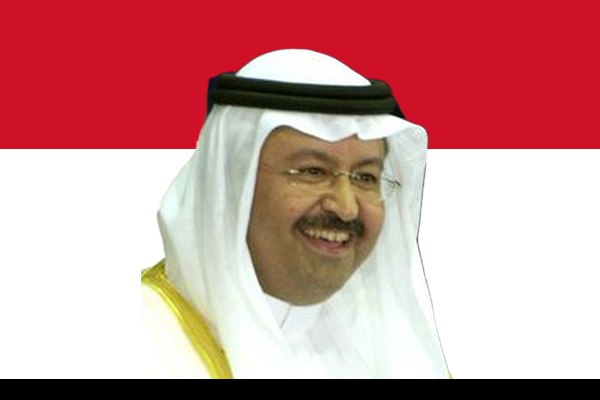
Early Life and Education
Ghazi al-Yawar was born into the influential Shammar tribe, one of the largest and most historically significant tribes in Iraq and the wider Arab region. This background gave him early exposure to leadership traditions, mediation, and social responsibility. He pursued higher education outside Iraq and studied engineering, which helped shape his pragmatic and problem-solving approach to politics. His education abroad also provided him with a broader international perspective, which later proved valuable in diplomatic and transitional roles.
Entry into Politics
After the fall of Saddam Hussein’s regime, Iraq entered a phase of political transformation that required new leadership figures capable of bridging divides. Ghazi al-Yawar became involved in politics during this period and quickly gained attention for his moderate stance and emphasis on national unity. He participated in advisory and representative roles, working with various Iraqi groups and international actors to stabilize the country and restore governance.
Presidency and National Leadership
Al-Yawar reached national prominence when he served as President of Iraq during the transitional phase following the transfer of sovereignty. As President, he focused on representing Iraq internationally and supporting the formation of democratic institutions. He emphasized dialogue, sovereignty, and the importance of Iraqi ownership over political decisions. Although his tenure occurred during a time of intense violence and uncertainty, he consistently advocated for reconciliation among Iraq’s diverse ethnic and sectarian communities.
Role as Vice President
In his later political career, Ghazi Mashal Ajil al-Yawar served as Vice President of Iraq, a position that symbolized continuity and experience in leadership. As Vice President, he worked to support the President and government in advisory and representational capacities. His role highlighted the importance of inclusive governance and the participation of experienced figures in guiding Iraq through ongoing political and security challenges. Al-Yawar used this position to stress dialogue, constitutional processes, and respect for Iraq’s national identity.
Political Views and Leadership Style
Ghazi al-Yawar is widely regarded as a moderate leader who favors consensus over confrontation. He consistently calls for national unity, the strengthening of state institutions, and the rule of law. His leadership style relies on negotiation, tribal mediation traditions, and respect for Iraq’s social diversity. He often emphasizes Iraq’s Arab identity while also recognizing the rights and contributions of all communities within the country.
Legacy and Significance
Ghazi Mashal Ajil al-Yawar’s political career reflects Iraq’s struggle to move from conflict toward stability. His service as President during a transitional phase and later as Vice President demonstrates his long-term commitment to public service. He remains an important figure associated with moderation, dialogue, and national reconciliation. For many Iraqis, al-Yawar represents a leadership model rooted in tradition yet open to modern governance and international cooperation.
Conclusion
Vice President Ghazi Mashal Ajil al-Yawar stands as a key personality in Iraq’s post-conflict political landscape. Through his education, tribal background, and experience at the highest levels of government, he has contributed to Iraq’s efforts to rebuild and redefine itself. His emphasis on unity, sovereignty, and dialogue continues to shape his political identity and public legacy.