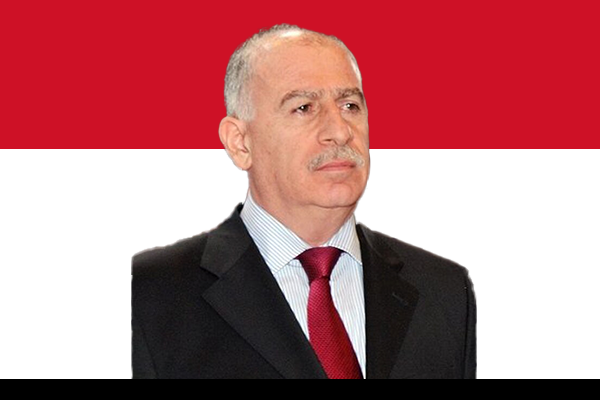
Early Life and Education
Osama al-Nujaifi was born in Mosul, one of Iraq’s most historic and politically significant cities. He grew up in a family deeply involved in public affairs, which influenced his early interest in politics and governance. He completed his higher education in engineering, a background that later shaped his structured and pragmatic approach to political decision-making. His early professional life allowed him to understand administrative systems and public service before he entered national politics.
Entry into Politics
Al-Nujaifi entered politics during a time when Iraq was redefining its political system after the fall of the previous regime. He aligned himself with Sunni political movements that sought greater representation and fairness within the new constitutional framework. His calm demeanor and ability to negotiate helped him gain trust among different political blocs. Over time, he became a respected figure in parliamentary politics.
Role as Speaker of Parliament
Before becoming Vice President, Osama al-Nujaifi served as Speaker of the Iraqi Council of Representatives. In this role, he managed heated parliamentary sessions and worked to maintain institutional balance between the legislature and the executive. He emphasized constitutional procedures, parliamentary independence, and the rule of law. His tenure as Speaker strengthened his reputation as a defender of democratic norms, even amid intense political pressure.
Vice Presidency of Iraq
Osama al-Nujaifi assumed office as Vice President of Iraq at a time when the country faced major security threats and political polarization. As Vice President, he focused on national unity, reconciliation among Iraq’s diverse communities, and the protection of constitutional rights. He consistently called for inclusive governance and opposed policies that marginalized any particular group. His position allowed him to represent Iraq diplomatically and engage with regional and international actors on issues of stability and cooperation.
Advocacy for National Reconciliation
One of al-Nujaifi’s central political themes has been national reconciliation. He argued that Iraq’s long-term stability depends on dialogue, mutual respect, and equal citizenship. He supported political solutions over military approaches and stressed the importance of rebuilding trust between the state and local communities, especially in conflict-affected areas.
Political Thought and Influence
Osama al-Nujaifi is known for supporting federalism within a unified Iraqi state. He believes that decentralization can reduce conflict and improve governance by empowering local administrations. His political thought combines constitutionalism, moderation, and a commitment to peaceful political processes. Although his positions have sometimes attracted criticism, he remains an influential voice in Iraqi Sunni politics.
Legacy and Contemporary Relevance
Al-Nujaifi’s legacy lies in his efforts to strengthen parliamentary democracy and promote political balance in Iraq. He continues to be relevant in political discussions concerning reform, decentralization, and national unity. His career illustrates the challenges faced by Iraqi leaders working to stabilize a diverse and complex nation through dialogue and constitutional means.
Conclusion
Vice President Osama al-Nujaifi stands as a significant figure in modern Iraqi politics. Through his roles as Speaker of Parliament and Vice President, he consistently advocated for inclusiveness, constitutional order, and national reconciliation. His contributions highlight the importance of moderation and institutional governance in Iraq’s ongoing political journey.