Norodom Sihamoni
Reign: 14 October 2004 – present
Coronation: 29 October 2004
Home State: Phnom Penh
Lifespan: born–2004
Country: Cambodia
Image credits available here.
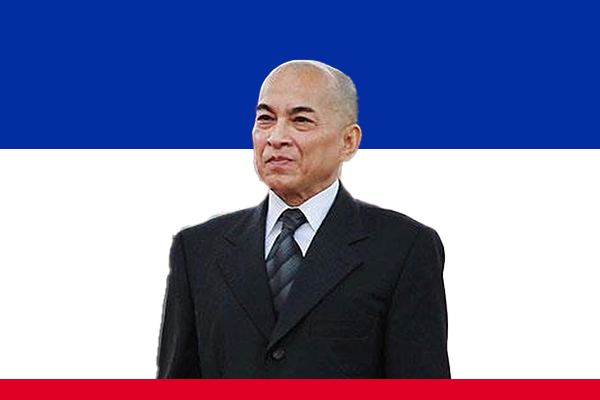
Early Life and Royal Background
Norodom Sihamoni was born on May 14, 1953, in Phnom Penh, Cambodia. He is the son of King Norodom Sihanouk and Queen Norodom Monineath Sihanouk. From an early age, he lived both in Cambodia and abroad, gaining exposure to diverse cultures. His royal upbringing combined traditional Cambodian values with international education, which later shaped his worldview as a monarch who respects both heritage and global cooperation.
Education and Artistic Career
King Sihamoni pursued higher education in Czechoslovakia, where he studied classical dance, music, and choreography. He later earned a master’s degree in classical dance and theater. For many years, he worked as a ballet instructor and cultural ambassador, promoting Cambodian art and heritage internationally. His involvement in UNESCO and other cultural organizations strengthened Cambodia’s presence on the global cultural stage.
Path to the Throne
In 2004, after King Norodom Sihanouk voluntarily abdicated, the Royal Council of the Throne unanimously selected Norodom Sihamoni as Cambodia’s new king. His selection reflected confidence in his neutral personality, moral integrity, and non-political background. He officially became King of Cambodia on October 29, 2004, pledging loyalty to the constitution and the Cambodian people.
Role as Constitutional Monarch
As a constitutional monarch, King Norodom Sihamoni does not engage directly in politics. Instead, he serves as the head of state and a unifying symbol for the nation. He performs ceremonial duties, endorses laws, appoints officials as required by the constitution, and represents Cambodia at national and international events. His leadership emphasizes harmony, stability, and respect for democratic institutions.
Commitment to Culture and Tradition
King Sihamoni places great importance on preserving Cambodia’s cultural identity. He actively supports traditional arts, classical dance, literature, and religious harmony. His background as an artist allows him to deeply understand the importance of culture in national healing, especially after Cambodia’s turbulent history. He frequently attends cultural festivals and encourages the protection of historical heritage.
Personal Values and Public Image
Known for his humility, discipline, and gentle personality, King Norodom Sihamoni maintains a dignified yet modest public image. He remains unmarried and dedicates his life to royal responsibilities and public service. Cambodians often regard him as a moral figure who stands above political divisions and promotes unity and compassion.
Legacy and Significance
King Norodom Sihamoni’s reign represents continuity, peace, and cultural pride for Cambodia. While he does not wield political power, his influence lies in moral leadership and national symbolism. Through his commitment to constitutional values and cultural preservation, he continues to play an essential role in shaping Cambodia’s identity in the modern era.