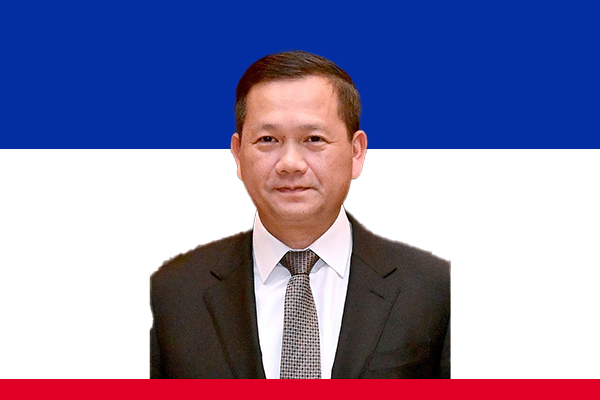
Early Life and Education
Hun Manet was born in 1977 and grew up during a period when Cambodia was rebuilding after years of conflict. He pursued a strong academic path that set him apart among regional leaders. Hun Manet studied abroad and earned degrees from prestigious institutions, including the United States Military Academy at West Point. He later completed advanced studies in economics and public administration. This combination of military discipline and academic training shaped his leadership style, emphasizing order, planning, and long-term national development.
Military Career and Leadership Experience
Before entering civilian politics, Hun Manet built a notable career in the Royal Cambodian Armed Forces. He rose through the ranks and gained experience in defense management, strategic planning, and national security. His military background earned him respect within Cambodia’s security establishment and prepared him for leadership responsibilities. This experience also helped him understand the importance of stability in a country with a complex historical past.
Path to the Prime Ministership
Hun Manet’s transition to political leadership occurred within the framework of the Cambodian People’s Party (CPP). As a senior party figure, he gradually took on more visible roles, both domestically and internationally. When Hun Sen stepped down after decades in power, Hun Manet assumed the role of Prime Minister, marking a significant generational shift. The transition aimed to ensure continuity in governance while introducing a younger leader capable of engaging with modern challenges.
Governance and Policy Priorities
As Prime Minister, Hun Manet has focused on economic growth, social stability, and institutional continuity. He emphasizes development projects that improve infrastructure, education, and healthcare. Economic diversification, foreign investment, and job creation remain key priorities under his administration. Hun Manet also stresses administrative efficiency and the use of technology in governance to better serve citizens.
Foreign Policy and International Relations
Hun Manet’s international outlook reflects his global education and exposure. He seeks balanced relations with regional partners and major global powers. Cambodia under his leadership continues to engage actively with ASEAN while maintaining strategic partnerships beyond Southeast Asia. Hun Manet presents Cambodia as a nation open to cooperation, investment, and dialogue, while firmly protecting its sovereignty and national interests.
Leadership Style and Public Image
Hun Manet projects a calm, disciplined, and pragmatic leadership style. Compared to his father’s long and forceful political presence, Hun Manet appears more reserved and technocratic. He communicates a vision of stability combined with gradual modernization. His leadership appeals particularly to younger generations who expect economic opportunity, digital advancement, and global integration.
Challenges and Future Outlook
Despite a smooth transition, Hun Manet faces significant challenges. These include managing economic pressures, addressing social inequality, and responding to international scrutiny regarding governance and human rights. Balancing reform with political stability will define his tenure. His success will depend on how effectively he translates his education, military discipline, and political inheritance into inclusive and sustainable national progress.
Conclusion
Prime Minister Hun Manet symbolizes continuity and generational change in Cambodia’s leadership. With strong academic credentials, military experience, and party backing, he stands at the center of Cambodia’s future direction. His tenure will shape how the country adapts to modern challenges while preserving stability and national identity.