Mr. Nursultan Nazarbayev
In Office: 16 December 1991 – 20 March 2019
Political Party: Independent
Home State: Chemolgan
Lifespan: 1889–1939
Country: Kazakhstan
Image credits available here.
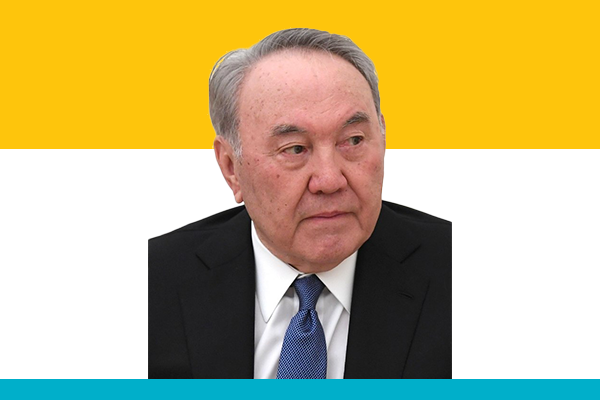
Early Life and Education
Nursultan Nazarbayev was born on July 6, 1940, in Chemolgan, a rural village near Almaty. He grew up in a modest family environment that emphasized discipline and hard work. After completing his early education, he pursued technical studies and trained as a metallurgist. This background gave him firsthand experience of industrial labor, which later influenced his pragmatic approach to governance and economic development.
Rise in Soviet Politics
Nazarbayev began his political career within the Soviet system. He steadily advanced through party ranks due to his administrative skills and leadership qualities. By the 1980s, he had become one of the most prominent political figures in the Kazakh Soviet Socialist Republic. In 1989, he assumed the role of First Secretary of the Communist Party of Kazakhstan, placing him at the center of political authority during a period of profound change.
Presidency and Independence
In 1991, Kazakhstan declared independence following the collapse of the Soviet Union. Nursultan Nazarbayev was elected as the country’s first President, a position he held until 2019. His early presidency focused on maintaining stability during a time of economic uncertainty and political transformation. He worked to establish national institutions, a new constitution, and a presidential system that emphasized strong central leadership.
Economic Reforms and Development
One of Nazarbayev’s major priorities was economic reform. He introduced market-oriented policies aimed at attracting foreign investment and modernizing the economy. Kazakhstan’s vast reserves of oil, gas, and minerals became key drivers of growth. Under his leadership, the country experienced significant economic expansion, infrastructure development, and rising living standards, particularly in urban areas.
Foreign Policy and Global Role
Nazarbayev pursued a balanced and multi-vector foreign policy. He sought strong relations with major powers while maintaining Kazakhstan’s independence in decision-making. His government promoted regional cooperation and played an active role in international organizations. Kazakhstan also gained recognition for its initiatives in nuclear disarmament, as it voluntarily relinquished the nuclear weapons inherited from the Soviet era.
Governance and Criticism
While Nazarbayev’s leadership brought stability and growth, it also faced criticism. Observers raised concerns about the concentration of power, limits on political opposition, and restrictions on media freedom. Supporters argue that his firm leadership was necessary to maintain unity in a diverse and newly independent state, while critics emphasize the need for stronger democratic institutions.
Legacy
Nursultan Nazarbayev resigned from the presidency in 2019 but remained an influential figure in Kazakh politics for several years. His legacy is complex and far-reaching. He is remembered as the architect of modern Kazakhstan, a leader who prioritized stability and development, and a statesman who placed the country on the global map. At the same time, debates about governance and political reform continue to shape how his presidency is evaluated.
Conclusion
President Nursultan Nazarbayev’s long tenure defined an era in Kazakhstan’s history. From independence to economic transformation and international recognition, his leadership left a lasting imprint on the nation. Understanding his role is essential to understanding Kazakhstan’s political and social evolution.