Mr. Imangali Tasmagambetov
In Office: 28 January 2002 – 11 June 2003
Political Party: Amanat
Home State: Atyrau
Lifespan: born 1956
Country: Kazakhstan
Image credits available here.
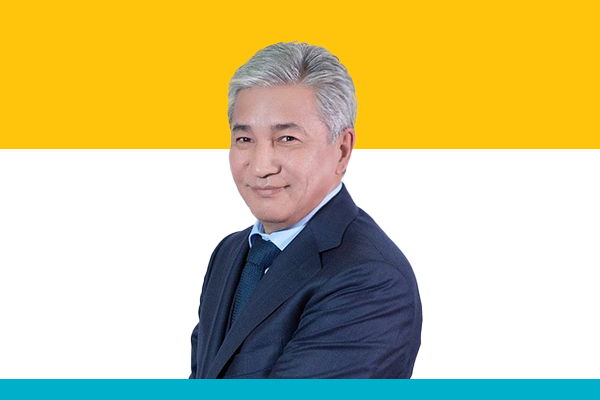
Early Life and Education
Imangali Nurgaliuly Tasmagambetov was born on 9 December 1956 in the Atyrau Region of Kazakhstan. Growing up in western Kazakhstan, he developed an early interest in history, culture, and public life. He pursued higher education at Kazakh State University, where he studied philosophy and history. This academic background shaped his analytical approach to governance and public administration, later influencing his style as a statesman. His education also helped him communicate effectively with intellectual, cultural, and political circles across the country.
Entry into Politics
Tasmagambetov began his political career during the final years of the Soviet Union, a period marked by transformation and uncertainty. After Kazakhstan gained independence in 1991, he quickly emerged as a capable administrator. He held several important positions in the new state structure, including roles in regional administration and central government. His ability to manage complex political transitions earned him recognition among Kazakhstan’s leadership.
Appointment as Prime Minister
In January 2002, Imangali Tasmagambetov was appointed Prime Minister of Kazakhstan. His appointment came at a time when the country focused on consolidating political stability and strengthening economic growth. As Prime Minister, he worked closely with President Nursultan Nazarbayev, aligning government policies with the broader vision of national development and modernization.
Domestic Policies and Governance
During his tenure, Tasmagambetov emphasized effective governance and administrative discipline. He sought to improve coordination between ministries and ensure that government decisions translated into concrete outcomes. Economic management remained a priority, particularly the regulation of the energy sector, which played a vital role in Kazakhstan’s growth. He supported policies aimed at attracting foreign investment while maintaining state control over strategic resources.
Tasmagambetov also paid attention to social development. He supported initiatives in education, culture, and public welfare, believing that economic growth should benefit society as a whole. His background in philosophy and history made him sensitive to the cultural dimension of nation-building, and he consistently highlighted the importance of preserving Kazakhstan’s heritage.
Foreign Policy and International Engagement
As Prime Minister, Tasmagambetov represented Kazakhstan on the international stage, strengthening ties with neighboring states and global partners. He promoted Kazakhstan as a stable and reliable country in Central Asia, capable of cooperation in energy, security, and trade. His diplomatic efforts supported Kazakhstan’s image as a bridge between East and West, a theme central to the country’s foreign policy.
Resignation and Later Roles
Imangali Tasmagambetov served as Prime Minister until June 2003. After stepping down, he continued to play a significant role in Kazakhstan’s political life. He held several high-ranking positions, including Mayor of Almaty and Astana, and later served in diplomatic and defense-related roles. In each position, he demonstrated administrative competence and loyalty to the state’s strategic goals.
Leadership Style and Legacy
Tasmagambetov’s leadership style combined intellectual depth with practical governance. He earned respect for his calm demeanor, strategic thinking, and commitment to national interests. Although his term as Prime Minister was relatively short, it occurred during a crucial phase of Kazakhstan’s post-independence development. His contributions helped strengthen government institutions and support economic stability.
Today, Imangali Tasmagambetov remains recognized as an influential figure in Kazakhstan’s modern political history. His career reflects the challenges and responsibilities faced by leaders in a young, developing state, and his service as Prime Minister remains an important chapter in Kazakhstan’s journey toward stability and growth.