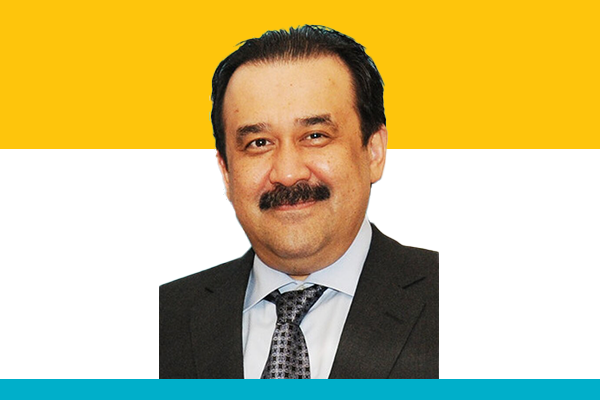
Mr. Karim Massimov
In Office: 2 April 2014 – 8 September 2016
10 January 2007 – 24 September 2012
Political Party: Amanat
Home State: Astana
Lifespan: born 1965
Country: Kazakhstan
Image credits available here.
Early Life and Education
Karim Qajymqanuly Massimov was born on June 15, 1965, in Tselinograd, Kazakh Soviet Socialist Republic (now Astana, Kazakhstan). From an early age, he demonstrated strong academic ability and an interest in international affairs. He pursued higher education both in Kazakhstan and abroad, gaining exposure to economics, law, and public administration. His academic background played a crucial role in shaping his technocratic approach to governance. Massimov’s fluency in several languages, including Kazakh, Russian, English, and Chinese, later strengthened his position as an internationally oriented leader.
Entry into Public Service
Karim Massimov began his career in government during the early years of Kazakhstan’s independence. He initially worked in foreign economic relations and trade, where he developed expertise in international commerce and diplomacy. His performance earned him steady promotions, and he became known as a capable administrator who could manage complex economic portfolios. Over time, he gained the trust of the country’s leadership and emerged as a key figure in Kazakhstan’s executive branch.
First Term as Prime Minister
Massimov was appointed Prime Minister of Kazakhstan for the first time in January 2007. At the time, the country faced the challenge of balancing rapid economic growth with financial stability. As Prime Minister, Massimov focused on economic modernization, investment attraction, and infrastructure development. He emphasized pragmatic policymaking and worked closely with financial institutions to mitigate the effects of global economic uncertainty. His leadership style was generally viewed as calm, methodical, and technocratic.
Economic and Administrative Reforms
During his tenure, Karim Massimov promoted administrative efficiency and digital governance. He supported reforms aimed at improving the business environment and reducing bureaucratic obstacles. Under his leadership, Kazakhstan advanced large-scale infrastructure projects and strengthened its role as a regional economic hub. Massimov also played a role in diversifying the economy beyond natural resources, encouraging growth in manufacturing, logistics, and services.
Second Term and Continued Influence
After a brief period in other high-ranking government roles, Massimov returned as Prime Minister in April 2014. His second term came during a time of global economic slowdown and regional geopolitical shifts. He focused on economic resilience, social stability, and continued modernization. Massimov supported state programs designed to stimulate employment and maintain public confidence during challenging economic conditions. His ability to navigate complex policy environments reinforced his reputation as a seasoned political manager.
Later Roles and Political Significance
Following his service as Prime Minister, Karim Massimov held other influential positions within Kazakhstan’s government structure. His career reflected the broader political evolution of the country, as it transitioned toward more institutionalized governance while maintaining a strong executive system. Massimov remained an important figure in national politics for many years, symbolizing continuity, experience, and administrative competence.
Legacy and Public Perception
Karim Massimov’s legacy as Prime Minister is closely associated with stability and economic management. Supporters highlight his professionalism, international outlook, and role in modernizing state administration. Critics, however, have debated the long-term effectiveness of certain reforms and the broader political system in which he operated. Regardless of differing views, Massimov’s impact on Kazakhstan’s political and economic development is widely recognized.
Conclusion
Prime Minister Karim Massimov was one of Kazakhstan’s most influential political leaders in the post-independence era. Through multiple terms in high office, he helped guide the country through periods of growth and uncertainty. His career reflects the importance of technocratic leadership in shaping modern governance and economic strategy in Kazakhstan.