Mr. Serik Akhmetov
In Office: 24 September 2012 – 2 April 2014
Political Party: Amanat
Home State: Temirtau
Lifespan: born 1958
Country: Kazakhstan
Image credits available here.
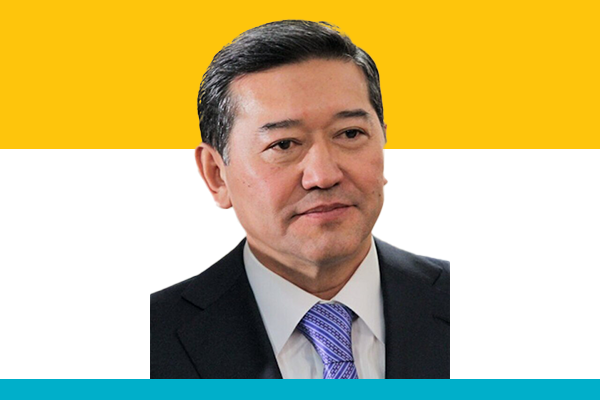
Early Life and Education
Serik Nyghmetovich Akhmetov was born in 1958 in Kazakhstan, during the Soviet period when the region functioned as part of the USSR. He pursued higher education in engineering and economics, disciplines that later shaped his administrative and managerial style. His technical background helped him understand industrial systems, infrastructure planning, and state-controlled economic mechanisms, which were central to Kazakhstan’s development strategy after independence.
Entry into Public Service
Akhmetov began his career in industrial management, working in metallurgy and production-related sectors. His performance in these roles drew the attention of political leaders, and he gradually transitioned into public administration. As Kazakhstan restructured its economy in the post-Soviet era, experienced managers like Akhmetov became valuable assets. He held several regional and ministerial posts, gaining experience in governance, budgeting, and policy execution.
Rise to the Office of Prime Minister
In 2012, the President of Kazakhstan appointed Serik Akhmetov as Prime Minister. His appointment came at a time when the country aimed to accelerate economic diversification, reduce dependence on natural resources, and modernize public administration. Akhmetov assumed office with a mandate to ensure economic stability, implement state development programs, and maintain social balance during ongoing reforms.
Economic and Administrative Policies
As Prime Minister, Akhmetov focused on industrial development, infrastructure expansion, and public sector efficiency. He supported large-scale state programs designed to modernize transport networks, energy systems, and manufacturing capacity. His government emphasized attracting investment, improving the business climate, and supporting strategic industries such as metallurgy, construction, and energy.
Akhmetov also worked on improving coordination between central and regional authorities. He encouraged better budget discipline and oversight, aiming to ensure that development funds reached intended projects. Under his leadership, the government continued social programs related to employment, housing, and public services, reflecting Kazakhstan’s goal of maintaining social stability alongside economic growth.
Governance Challenges and Controversy
Despite his administrative experience, Akhmetov’s tenure faced challenges. Economic pressures, bureaucratic inefficiencies, and concerns about corruption within state institutions created difficulties for effective governance. After leaving the office of Prime Minister in 2014, legal proceedings were initiated against him in connection with corruption-related charges tied to his earlier roles in public administration.
The case attracted significant attention within Kazakhstan, highlighting broader issues of transparency, accountability, and reform in the country’s political system. Akhmetov was convicted and served a prison sentence before later being released. His legal troubles marked a dramatic turn in his public career and became a reference point in discussions about anti-corruption efforts in Kazakhstan.
Legacy and Historical Assessment
Serik Akhmetov’s legacy as Prime Minister remains complex. Supporters point to his technical expertise and role in advancing industrial and infrastructure projects during a critical period of national development. Critics emphasize the governance shortcomings and corruption issues that emerged during and after his tenure.
In historical perspective, Akhmetov represents a generation of leaders who managed Kazakhstan’s transition from a Soviet-style system toward a modern state-driven economy. His career reflects both the ambitions and the structural challenges of governance in a rapidly evolving political and economic environment.
Conclusion
Prime Minister Serik Akhmetov played a significant role in Kazakhstan’s early 2010s leadership. His time in office combined efforts at modernization with serious governance challenges. As such, his story offers important lessons about leadership, accountability, and reform in contemporary Central Asian politics.