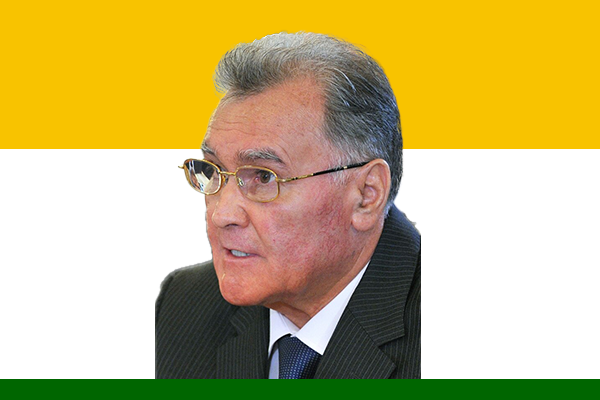
Mr. Oqil Oqilov
In Office: 20 December 1999 – 23 November 2013
Political Party: People’s Democratic
Home State: Khujand
Lifespan: born 1944
Country: Tajikistan
Image credits available here.
Early Life and Education
Oqil Oqilov was born in Tajikistan during the Soviet period, a time when the region functioned as part of the USSR. He received his education within the Soviet system, gaining technical and administrative training that later shaped his career in public service. His academic background prepared him for roles in economic planning and state administration, areas that became central to his political life.
Entry into Public Service
Oqilov began his professional career in state institutions related to economic management. During the late Soviet era and the early years of independence, he worked in various governmental departments, where he developed a reputation as a disciplined and loyal administrator. His experience in planning and finance made him a valuable figure during a period of political uncertainty and economic transition.
Appointment as Prime Minister
Oqil Oqilov was appointed Prime Minister of Tajikistan in 1999, a critical period following the end of the Tajik civil war. The country faced immense challenges, including damaged infrastructure, weak state capacity, and widespread poverty. His appointment reflected the leadership’s desire for stability and administrative continuity. Over time, Oqilov became one of the longest-serving prime ministers in Central Asia.
Economic Policies and Governance
As Prime Minister, Oqil Oqilov focused strongly on economic stabilization. He oversaw government efforts to restore basic services, improve fiscal discipline, and encourage gradual economic growth. Agriculture, energy, and infrastructure development remained key priorities under his administration. He supported policies aimed at increasing domestic production and reducing dependency on external aid, while also managing relations with international partners.
Oqilov emphasized centralized decision-making and coordination among ministries. His governance style favored order and predictability, which helped maintain stability during a fragile post-conflict period. Although reforms progressed slowly, his administration worked to strengthen state institutions and improve public administration.
Role in Infrastructure and Development
Infrastructure development formed an important part of Oqil Oqilov’s tenure. Roads, energy projects, and public facilities received government attention as essential foundations for long-term growth. Tajikistan’s mountainous geography posed significant challenges, but his government consistently highlighted connectivity and energy security as national priorities.
Political Significance and Leadership Style
Oqil Oqilov was known for his low-profile and technocratic style rather than charismatic leadership. He rarely sought public attention, focusing instead on administrative efficiency and loyalty to the broader political leadership. His long service symbolized continuity within Tajikistan’s political system and reinforced the dominance of executive authority in governance.
Resignation and Legacy
Oqil Oqilov stepped down as Prime Minister in 2013, concluding more than a decade of leadership. His departure marked a generational shift in Tajikistan’s government. His legacy remains closely tied to the country’s post-war stabilization period. Supporters credit him with maintaining order and guiding economic recovery, while critics argue that deeper reforms progressed slowly under his leadership.
Conclusion
Prime Minister Oqil Oqilov played a central role in shaping Tajikistan’s political and economic landscape during a crucial period of national rebuilding. His long tenure reflected stability, administrative discipline, and cautious governance. While debates continue about the pace of reform under his leadership, his impact on Tajikistan’s modern history remains significant.