Mr. Souphanouvong
In Office: 2 December 1975 – 29 October 1986
Political Party: Lao Front for National Development
Home State: Luang Prabang
Lifespan: 1909–1995
Country: Laos
Image credits available here.
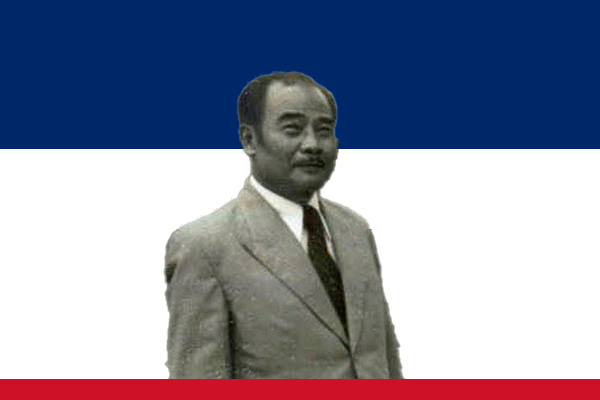
Early Life and Royal Background
President Souphanouvong was born on 13 July 1909 in Luang Prabang, Laos. He belonged to the Lao royal family and was the half-brother of Prince Phetsarath and Prince Souvanna Phouma, both influential figures in Lao politics. Despite his royal background, Souphanouvong chose a revolutionary path that aligned him with the common people rather than traditional monarchy. He pursued higher education in engineering in Vietnam and France, which exposed him to anti-colonial ideas and nationalist movements shaping Southeast Asia at that time.
Entry into Politics and Nationalism
Souphanouvong entered politics during the struggle against French colonial rule in Indochina. Influenced by revolutionary leaders in Vietnam, he developed strong beliefs in socialism and national liberation. During World War II and its aftermath, Laos faced political instability, foreign influence, and internal divisions. Souphanouvong actively joined the resistance against colonial control and worked closely with regional revolutionary groups. His political vision focused on independence, unity, and social equality.
Role in the Lao Issara and Pathet Lao
In the late 1940s, Souphanouvong became a prominent leader of the Lao Issara (Free Laos) movement, which sought full independence from France. Later, he emerged as the leading figure of the Pathet Lao, a communist-oriented political and military movement. His close cooperation with Vietnamese revolutionaries earned him the nickname “Red Prince.” Under his leadership, the Pathet Lao expanded its influence, particularly among rural populations who supported promises of land reform and social justice.
Years of Conflict and Struggle
Laos experienced decades of civil conflict, especially during the Cold War, when it became strategically important in Southeast Asia. Souphanouvong endured imprisonment, exile, and military setbacks during this period. Despite these challenges, he remained committed to his ideological goals. The conflict between the royal government and the Pathet Lao continued until the early 1970s, deeply affecting the country’s political and social fabric.
First President of the Lao People’s Democratic Republic
In December 1975, the monarchy was abolished, and the Lao People’s Democratic Republic was established. Souphanouvong became the first President of the new republic. Although real political power rested largely with the Lao People’s Revolutionary Party, his presidency held immense symbolic value. As a former prince who supported revolution, he represented national unity and the transition from monarchy to socialist governance.
Leadership Style and Ideology
President Souphanouvong promoted socialism, anti-imperialism, and solidarity with other revolutionary states. He emphasized national independence, cultural identity, and social equality. While he was less involved in day-to-day administration compared to party leaders, his moral authority and revolutionary credentials strengthened the legitimacy of the new state. His leadership style combined revolutionary discipline with a deep sense of patriotism.
Later Years and Legacy
Souphanouvong served as President until 1986, after which he gradually withdrew from public life due to health issues. He passed away on 9 January 1995. Today, he is remembered as a central figure in Lao history. Supporters regard him as a hero who dedicated his life to independence and social justice, while critics associate his legacy with one-party rule and limited political freedoms.
Historical Importance
President Souphanouvong remains one of the most influential leaders in Laos’s modern history. His journey from royal prince to revolutionary president reflects the dramatic political transformation of the country. His legacy continues to shape Laos’s national identity and political system, making him a lasting symbol of revolution and statehood.