Mr. Kindavong
In Office: April 23, 1946, – March 15, 1947
Political Party: Non-partisan
Home State: Luang Prabang
Lifespan: 1900–1951
Country: Laos
Image credits available here.
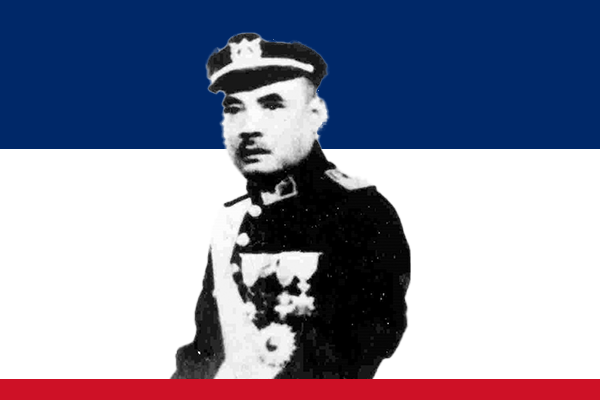
Early Life and Royal Background
Prince Kindavong was born into the Lao royal family, which gave him early exposure to governance, diplomacy, and traditional leadership values. His royal background allowed him to gain respect among Lao elites and the general population. Growing up under French colonial rule, he witnessed how foreign control affected local administration and national sovereignty. These experiences shaped his political outlook and later influenced his role in national politics.
Entry into Politics
Kindavong entered politics during a period of political transition in Laos. After World War II, the region experienced rising nationalist movements, and Laos faced increasing pressure to determine its future path. Because of his royal status and political understanding, Kindavong became a trusted figure among conservative and moderate groups. He supported a constitutional monarchy and believed in gradual political reform rather than radical change.
Term as Prime Minister
Prince Kindavong served as Prime Minister of Laos in 1946, during a time of deep instability. The country was facing political uncertainty following the end of Japanese occupation and the return of French influence. His government attempted to restore administrative order and maintain cooperation with France while safeguarding Lao interests. His leadership focused on balancing traditional authority with modern governance structures.
Political Challenges
During Kindavong’s tenure, Laos faced serious challenges, including resistance movements, ideological divisions, and foreign intervention. The rise of nationalist and revolutionary groups created internal tension. As Prime Minister, Kindavong struggled to keep unity among political factions while preserving the monarchy’s role. The fragile political environment limited his ability to implement long-term reforms, but his efforts helped prevent immediate collapse of governance.
Role in the Monarchy
Kindavong strongly supported the Lao monarchy as a unifying institution. He believed that the monarchy could provide stability in a time of political uncertainty. His policies aligned closely with royal interests, and he worked to strengthen the authority of the crown. This approach appealed to traditional elites but faced criticism from revolutionary groups seeking a republican or socialist system.
Legacy and Historical Significance
Although Kindavong’s term as Prime Minister was short, his leadership holds historical importance. He represented a transitional phase in Lao politics when the country was moving from colonial rule toward independence. His moderate and cautious approach reflected the difficulties of governing a divided nation. Historians view him as a symbol of traditional leadership attempting to adapt to modern political realities.
Conclusion
Prime Minister Kindavong played a significant role during one of the most critical periods in Lao history. His leadership highlighted the struggle between tradition and change in a newly emerging nation. While his government faced limitations, his efforts contributed to maintaining political continuity during a time of uncertainty. Kindavong remains an important figure in understanding the early political development of Laos.