Mr. Phoui Sananikone
In Office: 24 February 1950 – 15 October 1951
Political Party: Independent
Home State: Champasak province
Lifespan: 1903–1983
Country: Laos
Image credits available here.
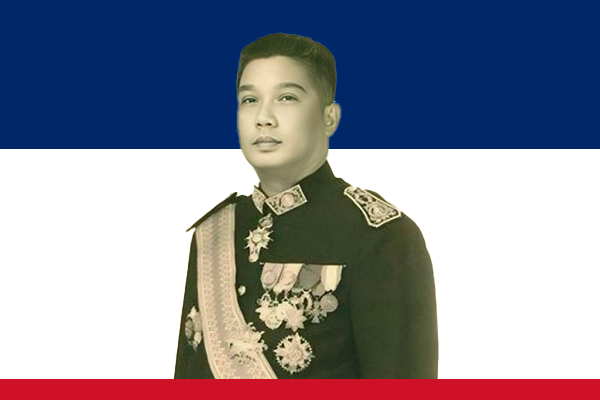
Early Life and Education
Phoui Sananikone was born into a prominent Lao family with strong connections to public service and governance. From an early age, he was exposed to political and administrative affairs, which helped shape his future career. He received a formal education that emphasized law, administration, and governance, equipping him with the intellectual foundation needed to navigate complex political environments. His education also allowed him to understand both traditional Lao systems and modern political structures introduced during the colonial period.
Entry into Politics
Phoui Sananikone entered public life during a time when Laos was undergoing major political and social changes. As nationalist sentiments grew across Southeast Asia, he emerged as a moderate leader who believed in gradual reform rather than radical upheaval. He worked within existing political frameworks to advocate for Lao interests, gaining recognition as a capable and pragmatic administrator. His early roles in government helped him build experience and credibility among political elites.
Role as Prime Minister
Phoui Sananikone served as Prime Minister of Laos during a period marked by political instability, regional tensions, and the challenges of post-war reconstruction. His leadership focused on maintaining internal stability while strengthening the authority of the central government. He emphasized the importance of constitutional governance and sought to balance royal authority with parliamentary institutions.
As Prime Minister, he worked to consolidate national unity in a country characterized by ethnic diversity and geographic fragmentation. His government attempted to improve administrative efficiency and promote cooperation between different political factions. Although his tenure faced limitations due to external pressures and internal divisions, he remained committed to lawful governance and political compromise.
Foreign Policy and Diplomacy
Foreign relations were a crucial aspect of Phoui Sananikone’s leadership. Laos was strategically located and influenced by larger regional powers, making diplomacy essential for national survival. Phoui Sananikone pursued a cautious and balanced foreign policy, aiming to protect Laos’s sovereignty while avoiding entanglement in major international conflicts. He supported diplomatic engagement and sought international recognition for Laos as an independent and neutral state.
Challenges and Political Environment
The political environment during Phoui Sananikone’s time in office was highly complex. Laos faced ideological divisions, emerging revolutionary movements, and the influence of Cold War politics. These challenges limited the effectiveness of any single leader. Despite these obstacles, Phoui Sananikone continued to advocate for moderation, dialogue, and constitutional solutions rather than authoritarian control.
His leadership style was often described as calm and methodical. While critics sometimes viewed him as overly cautious, supporters regarded him as a stabilizing figure during uncertain times. His approach reflected his belief that long-term national stability depended on institutions rather than personal power.
Legacy and Historical Significance
Phoui Sananikone remains an important figure in Lao political history. His contributions lie not only in his time as Prime Minister but also in his broader role in building early state institutions. He represented a generation of leaders who sought to guide Laos toward independence through legal and political means.
Although later political developments took Laos in different directions, Phoui Sananikone’s commitment to constitutional governance and diplomacy left a lasting impression. He is remembered as a thoughtful leader who worked within challenging circumstances to serve his country and preserve its sovereignty.
Conclusion
Prime Minister Phoui Sananikone played a meaningful role in Laos’s journey toward modern statehood. Through his leadership, administrative experience, and diplomatic efforts, he contributed to the foundations of Lao governance during a transformative era. His legacy reflects the complexities of leadership in a small nation navigating independence and regional pressures.