Mr. Kou Abhay
In Office: 7 January 1960 – 3 June 1960
Political Party: Independent
Home State: Luang Prabang
Lifespan: 1892–1964
Country: Laos
Image credits available here.
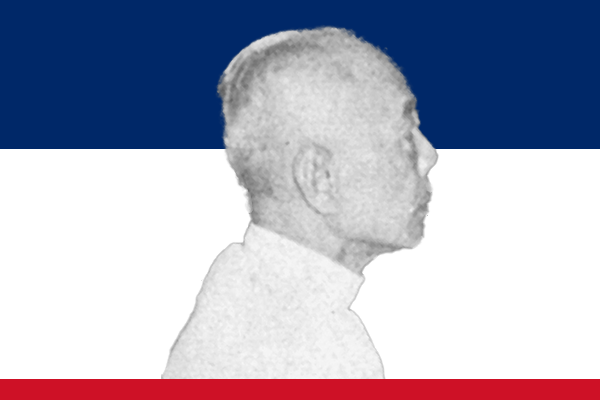
Early Life and Political Background
Kou Abhay emerged as a prominent political figure within the Lao People’s Revolutionary Party (LPRP), the ruling party of the Lao People’s Democratic Republic. From an early stage in his career, he demonstrated strong organizational skills and a commitment to the socialist principles that guide Laos’s political system. His rise through party ranks reflected both his administrative competence and his ability to balance ideological loyalty with practical governance. Before becoming Prime Minister, he held several senior positions that allowed him to gain experience in state administration and economic planning.
Appointment as Prime Minister
Kou Abhay assumed the office of Prime Minister in 2016, following approval by the National Assembly. His appointment came at a time when Laos faced important challenges, including economic modernization, infrastructure development, and the need to strengthen regional cooperation. As Prime Minister, he worked closely with the President and the Party leadership, ensuring continuity in governance while addressing emerging national priorities.
Economic and Development Policies
One of the central focuses of Kou Abhay’s tenure was economic development. He emphasized infrastructure projects, particularly in energy, transportation, and urban development, aiming to transform Laos from a landlocked nation into a land-linked country. Hydropower development remained a key pillar of his economic strategy, as it supported both domestic energy needs and regional exports. At the same time, Kou Abhay stressed the importance of sustainable growth, poverty reduction, and balanced development between urban and rural areas.
Governance and Social Initiatives
Kou Abhay promoted administrative efficiency and discipline within government institutions. He encouraged reforms to improve public services, reduce bureaucratic delays, and enhance transparency within the limits of the country’s political framework. Social development also remained a priority, with attention given to education, healthcare, and improving living standards. His government supported programs aimed at human resource development, recognizing that long-term progress depended on a skilled and educated population.
Foreign Policy and Regional Relations
In foreign affairs, Kou Abhay maintained a policy of friendly relations with neighboring countries and active participation in regional organizations. He supported cooperation within Southeast Asia, particularly in trade, investment, and infrastructure connectivity. His diplomatic approach focused on stability, mutual respect, and economic partnership, reinforcing Laos’s role as a constructive regional actor.
Legacy and Impact
Kou Abhay’s tenure as Prime Minister concluded in 2021, leaving behind a record defined by stability, development-oriented policies, and continuity in socialist governance. While challenges remained, his leadership contributed to strengthening Laos’s economic foundations and regional engagement. He is remembered as a steady administrator who guided the country through a period of gradual transformation while upholding its political traditions.