Mr. Khamtai Siphandone
In Office: 15 August 1991 – 24 February 1998
Political Party: Lao People’s Revolutionary Party
Home State: Savannakhet
Lifespan: 1924–2025
Country: Laos
Image credits available here.
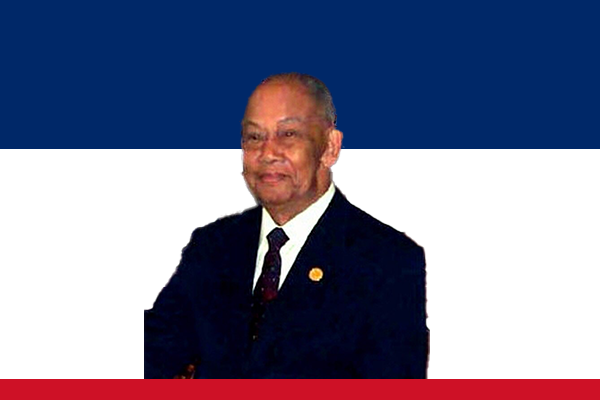
Early Life and Background
Khamtai Siphandone was born on 8 February 1924 in Champasak Province, southern Laos. He grew up during a period when Laos was under French colonial rule, and his early life was strongly influenced by the nationalist and anti-colonial movements that emerged across Indochina. Like many leaders of his generation, Khamtai became involved in revolutionary politics at a young age, driven by the goal of national independence and social transformation.
His political awareness developed alongside the struggle against foreign domination, and he gradually aligned himself with the Lao People’s Revolutionary Party. This ideological foundation shaped his later leadership style, which emphasized discipline, unity, and loyalty to socialist principles.
Role in the Revolutionary Movement
Khamtai Siphandone played an important role in the Pathet Lao movement, which fought against colonial and later royalist forces during the long years of conflict in Laos. He gained recognition as a capable military and political organizer, especially in southern regions of the country. His leadership during the revolutionary struggle helped strengthen the party’s influence and expand its control.
After the establishment of the Lao People’s Democratic Republic in 1975, Khamtai emerged as one of the senior leaders of the new socialist state. His revolutionary credentials earned him respect within the party and positioned him for key roles in national governance.
Tenure as Prime Minister
Khamtai Siphandone served as Prime Minister of Laos from 1991 to 1998. His tenure came at a critical time, as Laos was adjusting to regional changes following the end of the Cold War. As Prime Minister, he focused on maintaining political stability while cautiously opening the economy to limited market-oriented reforms.
Under his leadership, the government promoted the New Economic Mechanism, which aimed to improve productivity, attract foreign investment, and reduce state control over certain sectors. While the reforms were gradual, they marked an important shift in Laos’s economic policy and helped integrate the country more closely with neighboring Southeast Asian nations.
Domestic and Foreign Policy
Domestically, Khamtai emphasized national unity, internal security, and the strengthening of party authority. He believed that political stability was essential for development, particularly in a country still recovering from decades of war. His government invested in infrastructure, agriculture, and basic public services, though progress remained uneven due to limited resources.
In foreign policy, Khamtai supported closer relations with Vietnam, China, and other socialist or neighboring states. At the same time, Laos expanded its engagement with regional organizations, including ASEAN, which it joined in 1997. This step reflected his pragmatic approach to diplomacy and regional cooperation.
Presidency and Later Influence
After completing his term as Prime Minister, Khamtai Siphandone became President of Laos in 1998, a position he held until 2006. As President, he continued to exert strong influence over national politics and party affairs. His leadership style remained cautious and conservative, prioritizing continuity and gradual change.
Even after stepping down from formal office, Khamtai remained a respected elder statesman within the Lao political system. His long career symbolized the revolutionary generation that shaped modern Laos.
Legacy and Assessment
Khamtai Siphandone’s legacy is closely tied to the consolidation of socialist rule and the stabilization of Laos after years of conflict. Supporters view him as a disciplined leader who ensured political continuity and safeguarded national sovereignty. Critics, however, argue that his cautious approach limited political openness and slowed democratic reforms.
Overall, Khamtai Siphandone stands as a central figure in Laos’s modern history. His role as Prime Minister and later as President left a lasting impact on the country’s political structure, economic direction, and regional engagement.