Early Life and Education
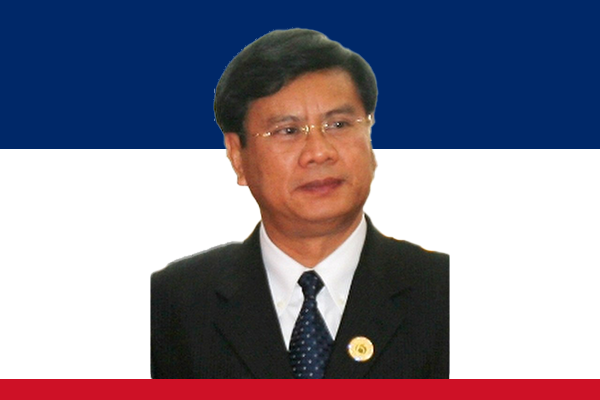
Bouasone Bouphavanh was born on 3rd June 1954 in Ban Phôn-Hông, Vientiane Province, Laos. Growing up in a country undergoing significant political change, Bouasone showed early interest in governance and public service. He pursued his education in Laos and later attended the Soviet Union for higher studies, which provided him with a solid foundation in political science and administration. This international exposure helped him understand both domestic challenges and global political dynamics, shaping his approach to leadership in the years to come.
Political Career Beginnings
Bouasone began his political career as a member of the Lao People’s Revolutionary Party (LPRP), the ruling party of Laos. He steadily advanced through party ranks, demonstrating strong organizational and leadership skills. Early roles included administrative positions at provincial levels, which allowed him to engage directly with local governance issues and understand the needs of citizens. His commitment and ability to navigate party structures earned him recognition among senior leaders, paving the way for national-level responsibilities.
Rise to Prime Minister
In 2006, Bouasone Bouphavanh was appointed as the Prime Minister of Laos, succeeding Bounnhang Vorachith. At the age of 52, he became one of the youngest leaders in the country’s modern political history. His appointment reflected the party’s confidence in his vision for economic development and political stability. As Prime Minister, Bouasone focused on improving governance, reducing poverty, and promoting infrastructure development to modernize the nation.
Key Policies and Achievements
During his tenure, Bouasone prioritized economic reforms aimed at attracting foreign investment and fostering private sector growth. He championed policies to improve education, healthcare, and rural development. Significant attention was given to transport infrastructure, with new roads and bridges enhancing connectivity across the country, particularly in remote provinces. His government also emphasized environmental sustainability, recognizing Laos’ rich natural resources and the importance of preserving them for future generations.
On the international stage, Bouasone strengthened diplomatic ties with neighboring countries such as Vietnam, China, and Thailand, while promoting Laos’ interests in regional forums like ASEAN. His leadership style combined pragmatism with a vision for gradual modernization, balancing traditional cultural values with economic development.
Challenges Faced
Bouasone’s tenure was not without challenges. Laos faced economic pressures, including inflation and reliance on external aid. Balancing rapid development with environmental conservation was another major concern, especially with hydropower projects along major rivers. Additionally, as a one-party state, maintaining transparency and public trust remained a persistent issue. Despite these obstacles, Bouasone worked to implement reforms that aimed to improve administrative efficiency and enhance citizen welfare.
Resignation and Legacy
In December 2010, Bouasone Bouphavanh resigned from his position as Prime Minister, citing personal reasons. His resignation marked a rare instance of voluntary leadership transition in Laos. Although his time in office lasted only four years, he is remembered for promoting developmental policies, improving infrastructure, and strengthening Laos’ diplomatic relations. His approach laid the groundwork for subsequent leaders to continue modernization efforts while maintaining political stability.
Conclusion
Prime Minister Bouasone Bouphavanh played a pivotal role in shaping contemporary Laos. His leadership emphasized pragmatic governance, economic growth, and international engagement, all while respecting the country’s cultural heritage. Though his tenure was relatively brief, his contributions to infrastructure, social development, and regional diplomacy continue to influence Laos’ path toward sustainable development.