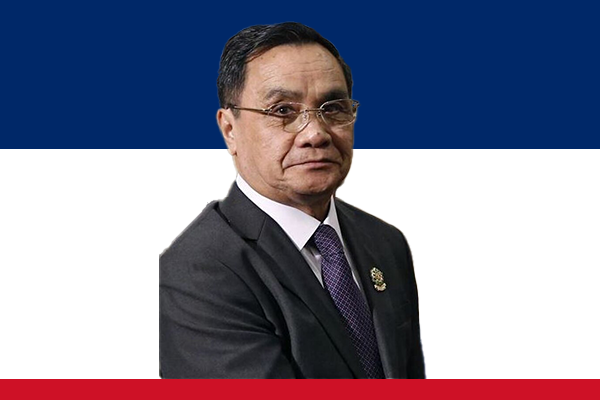
Early Life and Education
Thongsing Thammavong was born on April 12, 1944, in Laos. Little is publicly documented about his early education; however, it is known that he joined the revolutionary movement in Laos at a young age. His early involvement in politics and the LPRP laid the foundation for his rise through the ranks of government. Thammavong’s formative years were marked by commitment to the party’s ideology and national development goals, which later influenced his approach as Prime Minister.
Political Career
Thammavong began his political career within the Lao People’s Revolutionary Party, holding various administrative and leadership positions. Before becoming Prime Minister, he served as the President of the National Assembly of Laos from 2006 to 2010. During this period, he oversaw legislative reforms, strengthened parliamentary procedures, and emphasized the importance of law-making in supporting economic and social development.
In 2010, Thongsing Thammavong was appointed as the Prime Minister of Laos, succeeding Bouasone Bouphavanh. As Prime Minister, he was responsible for guiding the government’s policy-making, economic planning, and international relations. His leadership emphasized the development of infrastructure, education, and healthcare, aiming to improve the living standards of Laotians.
Economic and Social Initiatives
During his tenure, Thammavong focused on sustaining Laos’ economic growth. He prioritized projects related to hydroelectric power, road construction, and rural development. Recognizing the importance of regional cooperation, he supported initiatives with neighboring countries, particularly through the Association of Southeast Asian Nations (ASEAN). Under his guidance, Laos strengthened trade partnerships, attracted foreign investment, and improved connectivity with other countries in Southeast Asia.
Socially, Thammavong promoted policies to enhance education and healthcare access, particularly in rural areas. He worked to reduce poverty and improve public services, reflecting his commitment to inclusive development. His government also emphasized environmental conservation, particularly regarding the country’s rich natural resources.
Leadership Style and Legacy
Thongsing Thammavong’s leadership style was characterized by pragmatism and adherence to party principles. He maintained a steady approach to governance, ensuring political stability while pursuing gradual economic reforms. His tenure is remembered for a combination of cautious modernization and reinforcement of the party’s authority.
Although he stepped down as Prime Minister in 2016, Thammavong remains an influential figure within the Lao People’s Revolutionary Party. His contributions continue to shape Laos’ policies in governance, infrastructure, and regional diplomacy. He is widely regarded as a leader who prioritized both national development and political continuity.
Conclusion
Thongsing Thammavong’s career exemplifies dedicated political service in Laos. From his early days in the revolutionary movement to his leadership as Prime Minister, he consistently emphasized development, stability, and regional cooperation. His policies have left a lasting impact on Laos’ socio-economic growth and its position in Southeast Asia.