Mr. Phankham Viphavanh
In Office: 20 April 2016 – 22 March 2021
Political Party: Lao People’s Revolutionary Party
Home State: Savannakhet province
Lifespan: born 1951
Country: Laos
Image credits available here.
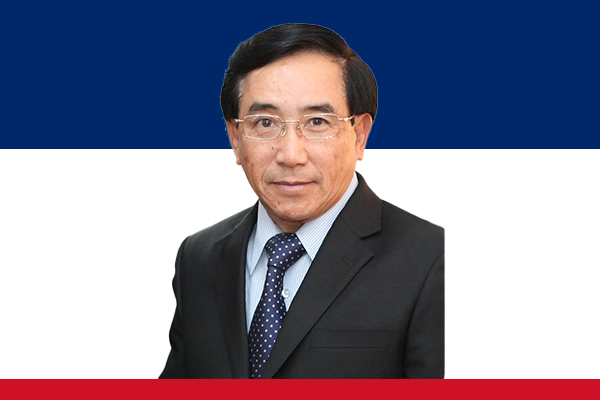
Early Life and Education
Phankham Viphavanh was born in 1951 in Houaphanh Province, a region historically associated with the Lao revolutionary movement. Growing up in a politically active environment shaped his early understanding of national struggle, unity, and development. He pursued higher education in economics, which later became a strong foundation for his work in planning and state management. His academic background equipped him with analytical skills that proved valuable in shaping economic and social policies.
Entry into Politics and Party Career
Phankham Viphavanh joined the Lao People’s Revolutionary Party (LPRP) at a young age and steadily rose through its ranks. His early political work focused on youth and mass organizations, where he gained experience in grassroots mobilization and party administration. Over time, he earned a reputation as a disciplined and pragmatic leader, capable of balancing ideological commitment with practical governance.
His advancement within the party structure eventually led to senior positions at the central level. He became a member of the LPRP Central Committee and later the Politburo, placing him among the country’s top decision-makers. These roles allowed him to contribute to long-term policy direction and national strategies.
Role as Vice President of Laos
Phankham Viphavanh served as Vice President of the Lao People’s Democratic Republic during a period marked by economic transition, regional integration, and administrative reform. In this role, he assisted the President in constitutional duties and state affairs, while also representing Laos at official ceremonies, diplomatic meetings, and international forums.
As Vice President, he emphasized political stability, national unity, and continuity of development policies. He supported government efforts to reduce poverty, modernize infrastructure, and improve public administration. His experience in economic planning helped him contribute meaningfully to discussions on sustainable growth and fiscal management.
Contribution to Economic and Social Development
One of Phankham Viphavanh’s most significant strengths has been his expertise in economics and planning. Before becoming Vice President, he served as Minister of Planning and Investment, where he worked on national development plans and foreign investment strategies. This background influenced his vice-presidential tenure, during which he consistently highlighted the importance of balanced development and efficient resource use.
He supported policies aimed at narrowing development gaps between urban and rural areas, improving education and healthcare, and strengthening human resources. His approach reflected Laos’s broader goal of graduating from least developed country status and achieving sustainable, inclusive growth.
Regional and International Engagement
During his time as Vice President, Phankham Viphavanh actively engaged with neighboring countries and regional organizations. He promoted cooperation within Southeast Asia, particularly in areas such as trade, connectivity, and cultural exchange. His diplomatic engagements underscored Laos’s commitment to peaceful relations, mutual respect, and regional stability.
Legacy and Political Significance
Phankham Viphavanh’s service as Vice President represents an important chapter in his long political career. His leadership style was calm, collective, and policy-oriented, aligning with the traditions of the Lao political system. He is widely regarded as a steady and experienced statesman who contributed to national governance during a critical phase of development.