Mr. Almazbek Atambayev
In Office: 29 March 2007 – 28 November 2007
17 December 2010 – 1 December 2011
Political Party: Social Democratic Party
Home State: Arashan
Lifespan: born 1956
Country: Kyrgyzstan
Image credits available here.
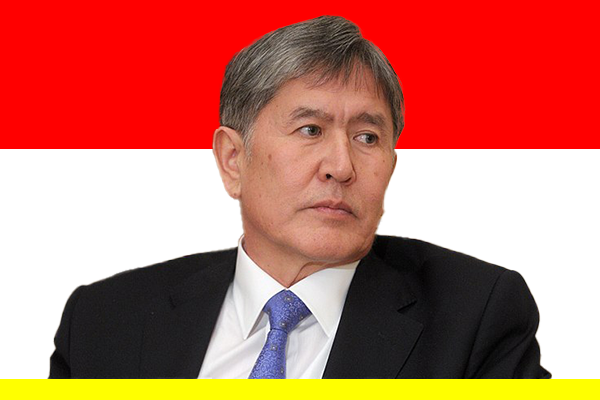
Early Life and Education
Almazbek Atambayev was born on 17 September 1956 in the Chüy Region of Kyrgyzstan. He came from a modest background, which influenced his political outlook and focus on social justice. He pursued higher education in Moscow, where he studied economics and engineering. His academic background helped him develop a structured approach to governance, economic policy, and state administration. During his early career, Atambayev was also involved in business, gaining firsthand experience in economic management.
Entry into Politics
Atambayev entered politics during the final years of the Soviet Union and became actively involved in the democratic movement after Kyrgyzstan gained independence in 1991. He emerged as a reform-minded politician, advocating political pluralism, free elections, and reduced corruption. Over time, he became a key opposition figure and later founded the Social Democratic Party of Kyrgyzstan, which became one of the country’s most influential political parties.
Term as Prime Minister
Almazbek Atambayev served as Prime Minister of Kyrgyzstan in multiple terms, most notably from 2007 to 2009 and again in 2010–2011. His leadership followed periods of political upheaval, including mass protests and changes in government. As prime minister, his primary goals were restoring stability, reviving the economy, and rebuilding public trust in state institutions.
During his tenure, Atambayev focused on improving relations with neighboring countries and strengthening Kyrgyzstan’s international standing. Domestically, he emphasized social welfare policies, including wage increases for public sector workers and support for pensioners. He also worked to stabilize the energy sector and address infrastructure shortages that affected everyday life.
Governance and Policy Approach
Atambayev’s approach as prime minister combined pragmatic governance with reformist ambitions. He supported constitutional changes that aimed to reduce excessive presidential power and strengthen the role of parliament. This approach reflected his belief in a parliamentary democracy as a safeguard against authoritarianism. Although progress was gradual, his policies laid the groundwork for institutional reforms that followed.
Economic challenges remained significant during his tenure, including unemployment and reliance on remittances. However, Atambayev sought to diversify the economy and promote small and medium-sized enterprises as drivers of growth. His government also attempted to tackle corruption, though results were mixed due to entrenched systemic issues.
Transition to the Presidency
Atambayev’s time as prime minister significantly boosted his national profile, eventually leading to his election as President of Kyrgyzstan in 2011. His experience in the executive branch helped him navigate the complexities of leadership during a sensitive transition period. As president, he continued many of the policies he had promoted as prime minister, particularly the emphasis on parliamentary democracy.
Legacy and Significance
Almazbek Atambayev’s tenure as prime minister is remembered as a period of cautious reform and political stabilization. While not without controversy, his leadership helped steer Kyrgyzstan away from deeper instability and contributed to the development of a more balanced political system. His role in shaping modern Kyrgyz politics remains significant, making him one of the most influential leaders in the country’s post-independence era.