Mr. Ömürbek Babanov
In Office: 24 December 2011 – 1 September 2012
Political Party: Respublika
Home State: Bishkek
Lifespan: born 1970
Country: Kyrgyzstan
Image credits available here.
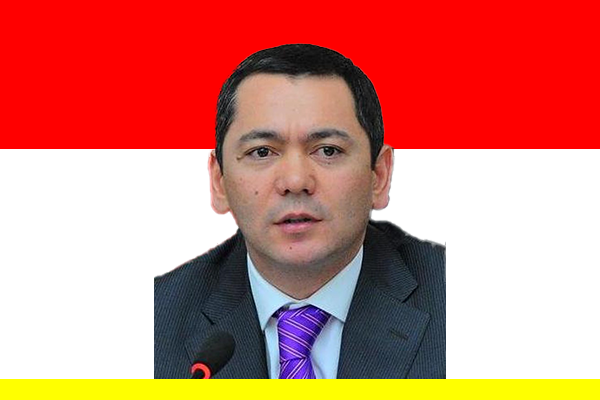
Early Life and Education
Ömürbek Babanov was born on April 20, 1970, in the Osh region of southern Kyrgyzstan. He grew up during the late Soviet era, a time that shaped his understanding of governance, economics, and social organization. Babanov pursued higher education in economics, a background that later influenced his approach to public policy and economic management. Before entering high-level politics, he gained experience in business, which helped him develop a reputation as a pragmatic and economically minded leader.
Entry into Politics
Babanov entered national politics in the early years of Kyrgyzstan’s independence. He became involved in legislative work and gradually built a profile as a reform-oriented politician. His business experience and economic expertise appealed to voters and political elites who were seeking stability and growth after years of political upheaval. Over time, he emerged as a key figure within parliamentary politics and played an active role in coalition-building.
Appointment as Prime Minister
In December 2011, Ömürbek Babanov was appointed Prime Minister of Kyrgyzstan. His appointment came during a period of political reorganization following constitutional reforms that strengthened the role of parliament. As prime minister, Babanov led a coalition government, which required negotiation and compromise among diverse political parties. This coalition environment shaped both his policy priorities and the limitations he faced in implementing reforms.
Policies and Governance
During his tenure, Babanov focused on economic stabilization, investment promotion, and improving public administration. He emphasized the need to create a favorable business climate, reduce bureaucratic barriers, and strengthen state institutions. His government sought to attract foreign investment and encourage private sector growth as a means to reduce unemployment and improve living standards.
Babanov also addressed social and regional issues, particularly the need to balance development between northern and southern Kyrgyzstan. Maintaining political stability in a country with a history of regional divisions was a central challenge of his premiership. While progress was uneven, his administration aimed to promote dialogue and cooperation across political and regional lines.
Resignation and Later Political Role
Ömürbek Babanov resigned as prime minister in September 2012, following shifts in coalition politics. His resignation reflected the fragile nature of parliamentary alliances rather than a complete rejection of his leadership. After leaving the premiership, he remained active in politics and continued to be a prominent opposition figure at various stages of his career.
Babanov later participated in presidential politics and remained influential through party leadership and public engagement. His political journey illustrates the dynamic and often unpredictable nature of Kyrgyzstan’s democratic system.
Legacy and Significance
Ömürbek Babanov’s legacy lies in his role as a transitional leader during Kyrgyzstan’s evolving parliamentary democracy. As prime minister, he represented a blend of technocratic governance and political negotiation. Supporters credit him with promoting economic pragmatism, while critics argue that deeper structural reforms were limited by political constraints.