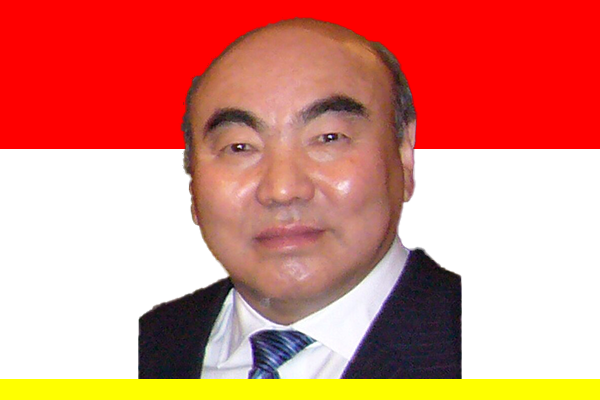
Mr. Askar Akayev
In Office: 27 October 1990 – 24 March 2005
Political Party: Independent
Home State: Hamadan
Lifespan: 1933–2021
Country: Kyrgyzstan
Image credits available here.
Early Life and Education
Askar Akayev was born on November 10, 1944, in the Kemin district of what is now Kyrgyzstan. Coming from a modest background, he showed academic excellence from an early age. He pursued higher education in physics and mathematics, eventually becoming a respected scientist. Akayev earned his doctorate and later became a member of the Academy of Sciences, gaining recognition for his work in theoretical physics.
Before entering politics, Akayev built a successful academic career. His background as a scholar distinguished him from many other Soviet-era leaders and contributed to his image as a thoughtful and progressive intellectual.
Rise to Political Leadership
Akayev entered politics during a period of major change in the Soviet Union. In 1990, he was elected President of the Kyrgyz Soviet Socialist Republic. Following the dissolution of the USSR in 1991, Kyrgyzstan became an independent nation, and Akayev continued as its first President.
At the beginning of his leadership, Akayev was praised for promoting democratic reforms, freedom of speech, and market-oriented economic policies. Kyrgyzstan earned a reputation as one of the more open and politically liberal states in Central Asia during the early 1990s.
Leadership and Governance
As President, Akayev faced enormous challenges, including economic collapse, unemployment, and the need to build new state institutions. He introduced constitutional reforms and encouraged cooperation with international organizations. His government supported privatization and attempted to shift the economy away from central planning.
Akayev also sought to balance relationships with major global powers, including Russia, China, and Western countries. His foreign policy aimed at maintaining sovereignty while securing economic and political support for the young nation.
Controversies and Decline in Popularity
Over time, Akayev’s image as a democratic reformer began to fade. Critics accused his administration of corruption, nepotism, and suppressing political opposition. Members of his family were alleged to have gained significant influence in business and politics, which caused growing public dissatisfaction.
Elections held during his later terms were widely criticized by opposition groups, who claimed they were neither free nor fair. These issues gradually eroded public trust in his leadership.
Tulip Revolution and Exile
In 2005, widespread protests erupted following disputed parliamentary elections. These demonstrations, known as the Tulip Revolution, led to Akayev’s removal from power. Facing mounting pressure, he fled the country and later settled abroad.
After leaving office, Akayev largely withdrew from active politics. He returned to academic life, continuing his work in science and writing about politics, history, and global development.
Legacy
Askar Akayev’s legacy remains complex. He is remembered both as a visionary leader who guided Kyrgyzstan through independence and as a ruler whose prolonged stay in power led to political instability. His presidency marked an important transitional period, shaping the foundations of modern Kyrgyzstan.